











Voir toutes les actualités

CMark Pro Max XY
From: 24650 €
The CMark Pro Max XY is an industrial laser marking system equipped with a CO2 RF tube and a motorized mobile table on the X and Y axes. This configuration allows for processing large marking areas with maximum flexibility while ensuring consistent quality.
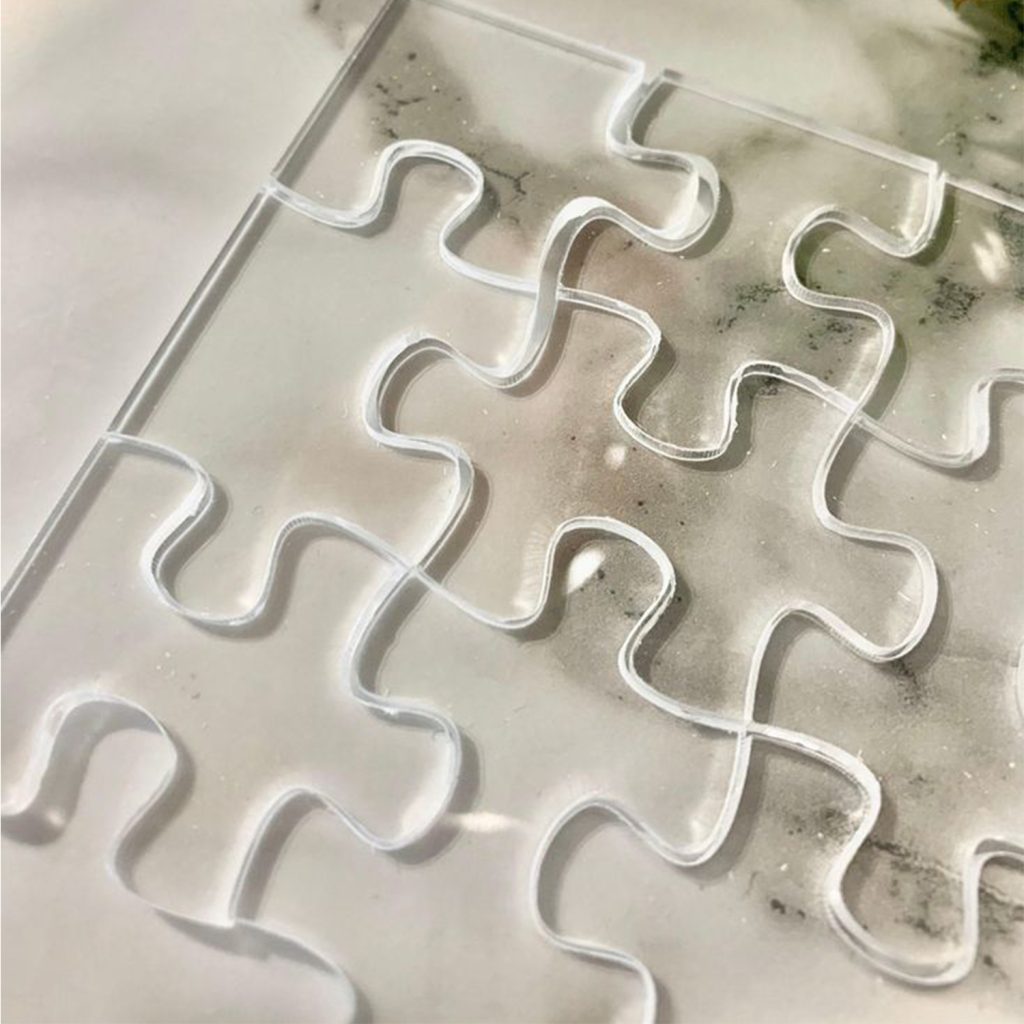
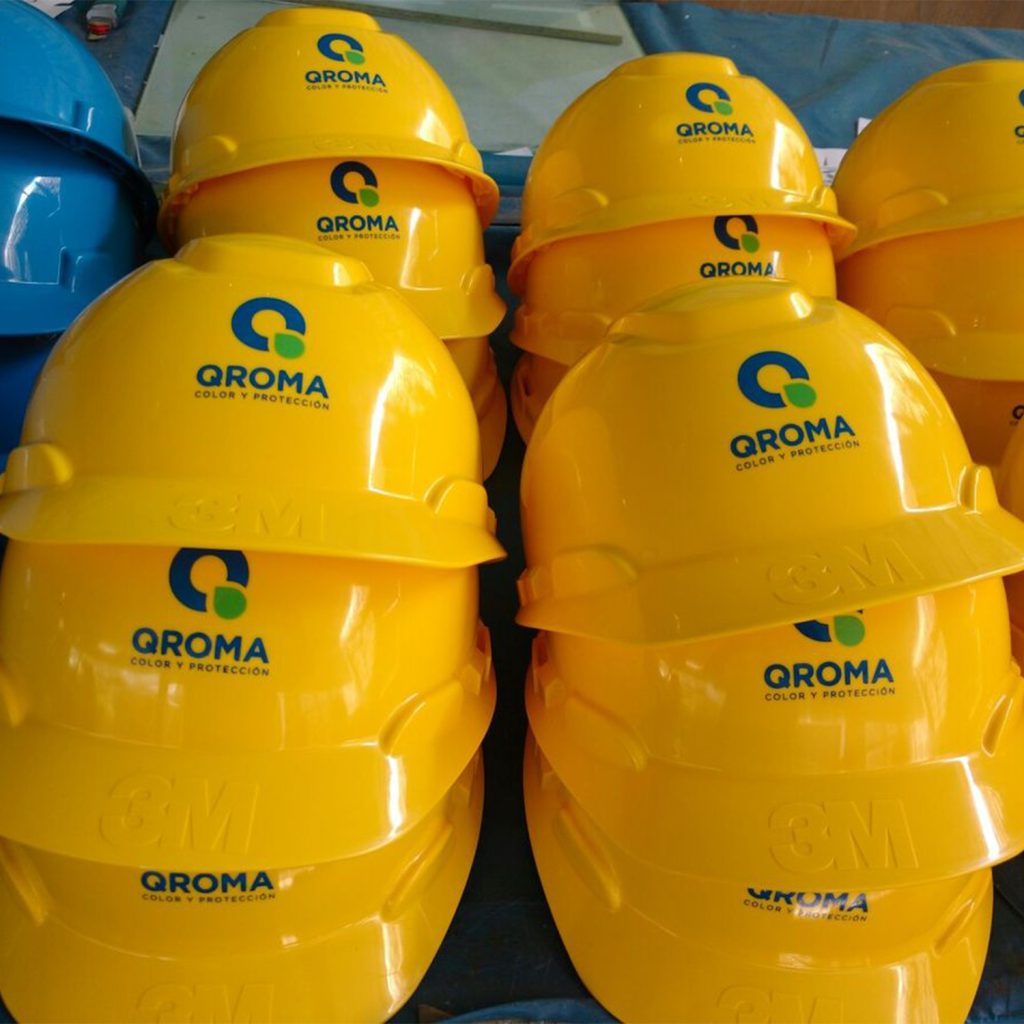
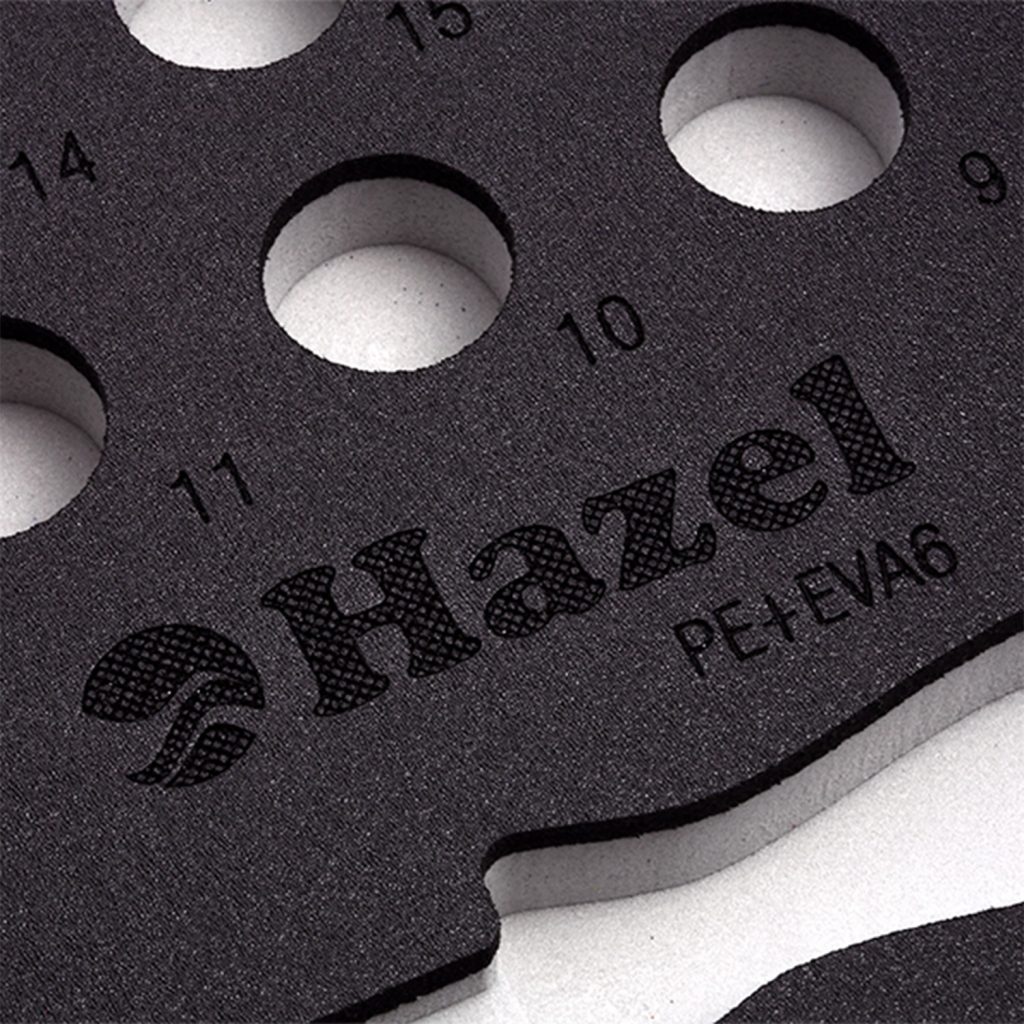
Designed to meet multi-material production requirements, the Pro Max XY is capable of precisely engraving or marking a wide range of substrates such as wood, textiles, leather, composite materials, and cardboard.
Operation is based on the automatic segmentation of the surface to be processed into zones corresponding to the lens field size.
The galvanometer head performs fast and precise marking on each cell, then the table moves the part to the next zone along the X and Y axes.
Movements are entirely controlled and synchronized by dedicated software, offering a smooth and intuitive user experience: the operator works on a unified marking surface without worrying about mechanical transitions.
The CMark Pro Max XY constitutes a robust and scalable industrial solution, ideal for production environments requiring high precision, a large working area, and processing flexibility.
Number of colours:
Une couleur
Shape:
Forme relativement plane
Forme cylindrique
Quantity:
Single
Series
Materials:
Discover...
Technical sheet
The CMark Pro Max XY is an autonomous marking station with a large work area, integrating a PC with engraving software and a CO2 laser with a galvanometer head.
It is equipped with the following:
– An industrial frame designed for engraving large parts. It can be customized according to your needs (pass-through table, Z-axis height, etc.)
– Two X and Y axes moving the laser tube over the engraving area. They are equipped with linear rails driven by servo motors for greater speed and precision.
– Industrial software with significant flexibility, allowing for automatic incrementing, integration of external data, or management of QR codes, and enabling seamless control of position feedback for the operator.
– A high-performance galvanometer head for efficient part marking at speeds up to 7000 mm/sec with an accuracy of +/- 0.001 mm
– An RF laser tube with air cooling.
– Focus adjustment via a 3-red-pointer concentration system, or an optional autofocus feature that automatically adjusts the laser beam focus.
– A positioning sight equipped with a red pointer, allowing the operator to simulate the marking on the part to simplify their workflow.
– Devices requiring no maintenance. Only the lens requires occasional cleaning.
Available options:
– Our machines are offered with different power ratings and in different sizes.
Features:
Laser type
American or Asian RF CO2 tube with air cooling
Laser power
35 W – 60 W Asian
30 W – 60 W American
Engraving area
220*220 mm
Working area
Standard 600*600 mm (divided into sections corresponding to the lens working area: 220*220 mm)
Custom up to 1200 x 600 mm (divided into sections corresponding to the lens working area: 220*220 mm)
Maximum height of the part to be marked
Standard ±200 mm
Custom height adjustable
Wavelength
Wavelength: 10,600 nm
Engraving speed
Engraving speed: > 7000 mm/s
Preview
650 nm 2mW laser diodes
Workstation
Closed with automatic front door
Z-axis
Electric and software-controlled
Power supply
220-240V AC – 50Hz
Power consumption
1000 to 2000 W (depending on laser power)
Compatible software
Runs on Windows
File formats
PLT, DXF, BMP, PCX, TIFF, JPEG, GIF, MCL…
Cooling system
Air-cooled
Safety standard
CLASS 1 laser system
Options
– Extraction system with filters
– Extraction system without filters
Accessories available with this product
FAQ on CMark Pro Max XY
What materials can be cut with a “galvanometric” type CO2 laser?
The “galvanometric” CO2 laser (or galvo) works very differently from a plotter-type (X-Y table) laser. As the beam is projected from a fixed head located overhead and deflected by ultra-fast mirrors, cutting adheres to specific physical rules.
Ideal materials for Galvo CO2 cutting:
This technology excels in cutting thin and flexible materials. Its lightning-fast movement speed is a major asset for instantaneously destroying or dissociating the material without burning it.
- Paper and cardboard: Ideal for creating packaging, intricate greeting cards, or prototypes (extreme speed without carbonization of edges).
- Textiles and fabrics: Perfect for cutting complex patterns in ready-to-wear, fashion, or textile marking (the CO2 laser cauterizes the edges of synthetic fabrics, which prevents fraying).
- Leather and synthetic leather: Widely used in leather goods to cut precision pieces or create designer perforations.
- Very thin wood veneer (balsa, fine woods): For marquetry or model making.
- Thin plastic films and labels: Especially thin polyester (PET) or polycarbonate (PC) (applications such as “kiss-cutting” or half-cut).
Why are we limited to thin materials?
If you need to cut materials, two physical constraints related to the galvanometric architecture come into play:
- Loss of power density with distance: As the laser head is far from the work table, the beam must travel a significant distance. The larger the focal length (to cover a large field), the slightly wider the impact point (the spot) becomes, which reduces the energy concentration needed to cut through thick materials (such as 5 or 10 mm PMMA or wood).
- Angulation effect (edge effect): Unlike a plotter where the head is always vertical () above the material, the galvo mirror deflects the beam with an increasingly pronounced angle as it moves away from the center. When cutting slightly thick material, this angle directly affects the edge (the chamfer) of the piece, which will not be perfectly straight but beveled.
In summary
The galvanometric CO2 laser is a high-productivity tool for cutting thin materials (generally less than 1 to 2 mm).
If your goal is to cut thick Plexiglas (PMMA) or wood sheets several millimeters thick with perfectly straight edges, you should opt for a traditional plotter-type (X-Y table) CO2 laser.
What are the disadvantages of a galvanometer-type laser compared to a “plotter”-type laser?
The galvanometric (galvo) laser is particularly recognized for its execution speed and productivity in industrial environments.
However, its optical architecture implies certain geometric constraints that may make the Plotter-type laser (X-Y flatbed) more suitable depending on the application.
Here are the main limitations of the galvanometric system compared to a Plotter:
A naturally more limited work surface
In a galvanometer system, the head remains fixed above the work area and the beam is directed by mirrors from a central point.
When the processing area increases, the beam deflection angle becomes larger, which can influence the quality and consistency of the marking or cutting.
Galvanometer laser
• Generally more compact work field
• Dimensions often limited to localized marking or cutting applications
• Extension possible on certain advanced systems (e.g., 3-axis architecture)
Laser plotter type
• Physical movement of the head on the X and Y axes
• Work surface limited only by the machine’s mechanical dimensions
• Ability to process large formats or significant lengths
An angling effect on the edge (bevel)
During cutting operations, particularly on thick materials, the orientation of the beam can impact the geometry of the edge.
Galvanometric laser
The beam is deflected by a mirror system to cover the work area. The further the cut is from the center of the field, the greater the angle of incidence becomes.
Consequences:
• Possible appearance of a bevel effect on the edge
• Cut less perfectly perpendicular on thick materials
• Effect more visible on parts requiring high geometric precision
Plotter-type Laser
The mechanical movement of the head allows the beam to remain perpendicular to the material across the entire working surface.
Advantages:
• Straighter and more uniform edges
• More consistent cutting angle
• Better homogeneity on large dimensions and thick materials
More limited capacity for greater thicknesses
The design of the galvanometer system generally requires a greater working distance between the head and the material.
Galvanometer laser
• Frequent use of longer focal length lenses
• Slightly larger laser spot
• Energy density less concentrated at the focal point
Consequence:
• Performance less suited to deep cutting or thick materials
Plotter-type laser
• Positioning of the head as close as possible to the material
• Possible use of shorter focal lengths
• High energy concentration in the cutting zone
Advantages:
• Better penetration capacity
• More efficient cutting on thick materials
In summary, when should you choose one or the other?
What are the advantages of a “galvanometric” type laser compared to a “Plotter” type laser?
The Plotter-type laser is particularly suited for cutting large surfaces and processing thick materials. In contrast, the galvanometric (galvo) laser is designed to meet the needs for productivity, speed, and industrial automation.
Thanks to its fixed head and mirror-controlled optical system, it can achieve high operating speeds while maintaining great marking precision.
Very High Execution Speed
The main difference between the two technologies lies in their movement method.
Plotter-type Laser
- Mechanical movement of the head along the X and Y axes.
- Speed limited by the inertia of moving components.
Galvanometric Laser
- Fixed laser head.
- Beam deviation via ultra-fast mirrors.
- Near-instant execution of marking trajectories.
Result: reduced cycle times and productivity adapted to industrial environments.
High Precision and Excellent Repeatability
Operation without mechanical movement over long distances ensures consistent quality over time.
Advantages
- Reduction of mechanical play.
- Limitation of wear and drift phenomena.
- High reproducibility of markings.
This technology is particularly suited for applications requiring fine details or high throughput rates.
Examples of applications:
- High-density barcodes.
- Marking of electronic components.
- Small texts or engravings.
Significantly Reduced Maintenance
Plotter-type Laser
- Periodic maintenance of rails, belts, and mechanical components.
- Regular cleaning of exposed optical components.
Galvanometric Laser
- Optical system integrated into a protected head.
- Maintenance limited to periodic cleaning of the output lens.
Result: fewer interventions and improved equipment availability.
Easy Integration into Production Lines
Thanks to its compact format and fixed head, the galvanometric laser easily integrates into an automated environment.
It particularly enables:
- Integration onto conveyors.
- Continuous part marking.
- Synchronized operation with production rates.
Automation and Traceability-Oriented Features
Software associated with galvanometric solutions facilitates the automation of marking operations:
- Automatic generation of dates, times, or production information.
- Automatic incrementing of serial numbers.
- Possible connection to ERPs, databases, or industrial control systems.
Which type of laser to choose?
Choose a Plotter laser if:
- You work on large surfaces.
- You perform thick material cutting.
- You are looking for great format flexibility.
Choose a Galvanometric laser if:
- Execution speed is the priority.
- You are looking for high-rate production.
- You have automated traceability needs.
- In-line production integration is planned.
In summary: the galvanometric laser is particularly well-suited for industrial marking when the objectives are productivity, repeatability, and automation.
THERMOFLAN advantages
Over 60 years of experience
Permanent stock
Best quality/price ratio
Technical availability
Demandez conseil à nos experts
Comment pouvons-nous vous aider ?