






Voir toutes les actualités


Fiber Mark Standard
From: 7540 €
The Fiber Mark Standard fiber laser machine is particularly effective for industrial applications requiring high-quality identification.
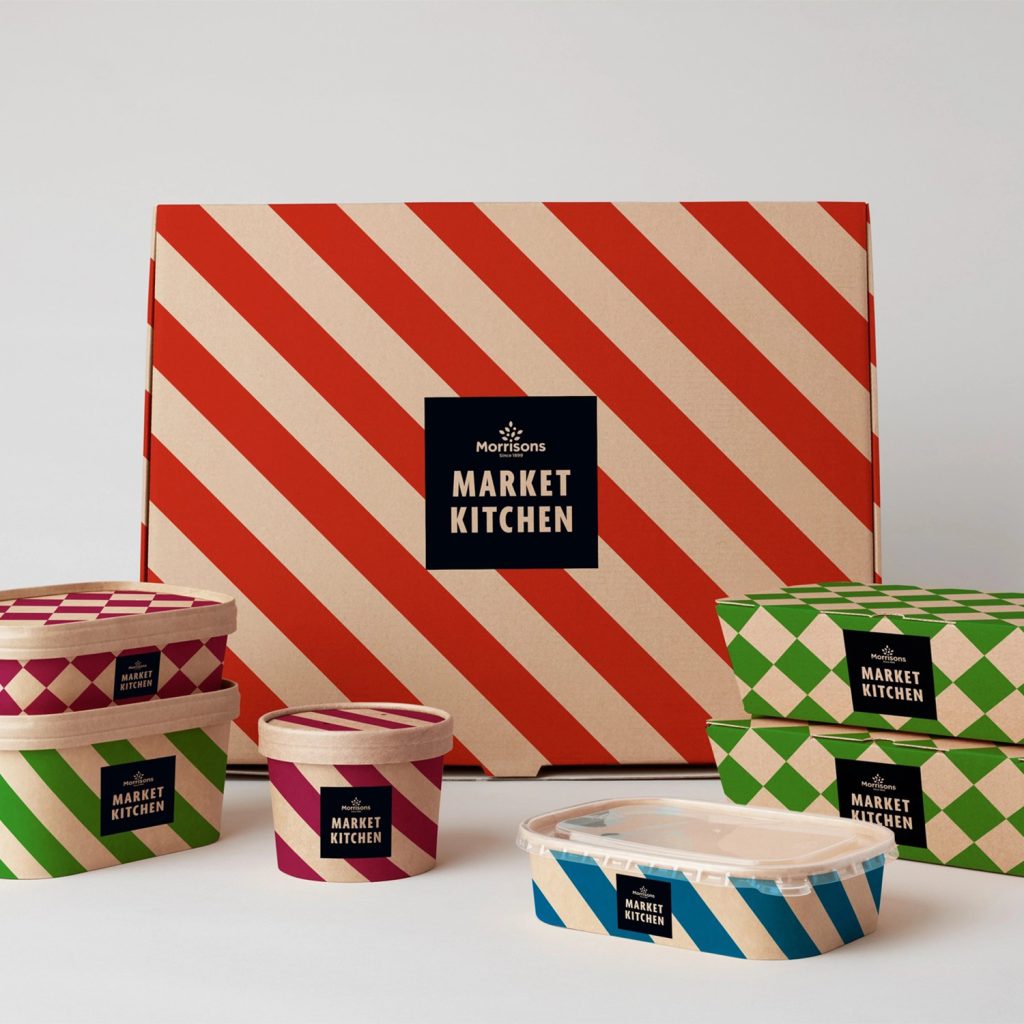
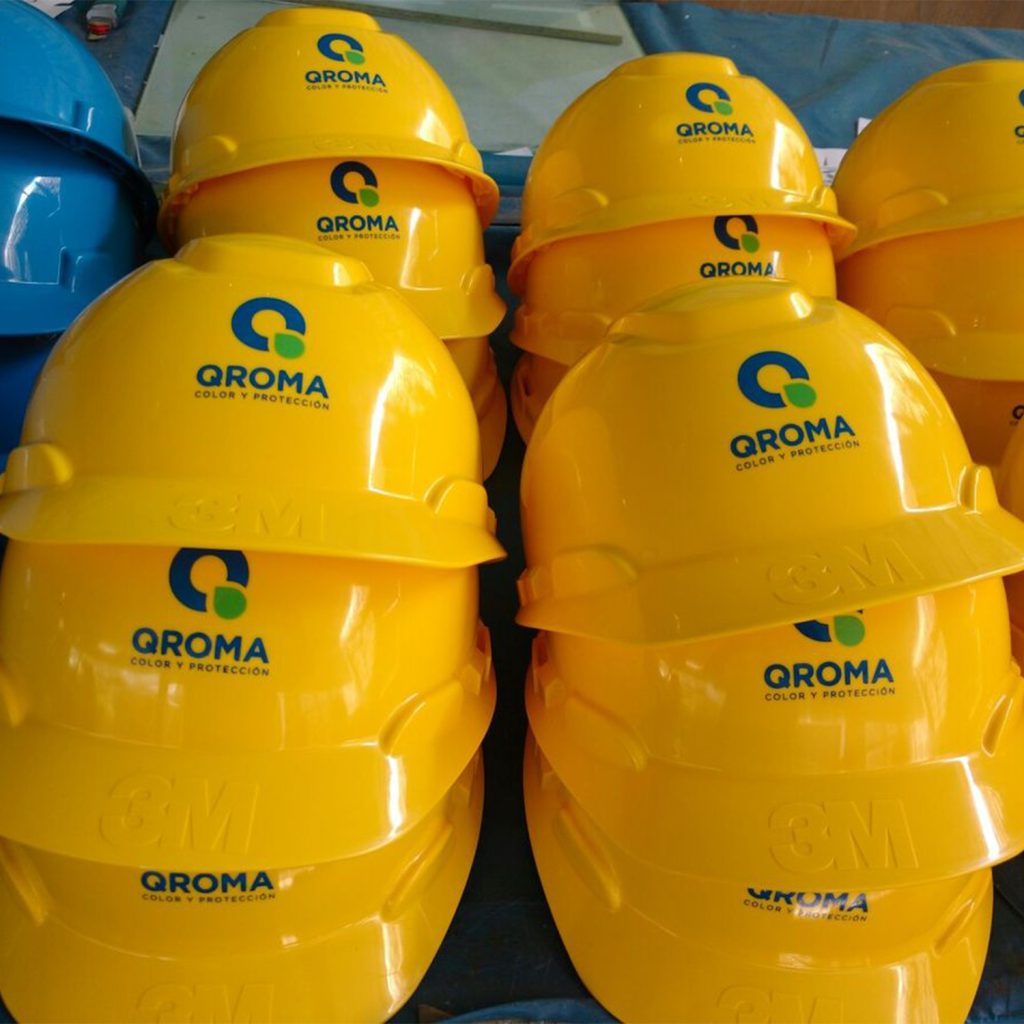
Thanks to its high resolution, it allows for highly precise markings on metals such as stainless steel, aluminum, brass, and copper, as well as certain technical plastics.
The markings produced are resistant to wear, chemicals, and harsh environmental conditions, ensuring long-term traceability.
Number of colours:
Une couleur
Shape:
Forme relativement plane
Forme cylindrique
Quantity:
Single
Series
Materials:
Discover...
Technical sheet
The Fiber Mark Standard laser is an enclosed marking station equipped with a fiber laser assembly, a galvanometer head, and user-friendly marking software.
It features:
– An enclosed, protected frame that allows for marking metal and plastic, as well as cutting thin metals. This frame can be equipped with pass-through doors to engrave large parts that exceed the cabin size (metal profiles, saber blades, gun barrels, etc.).
– A high-performance galvanometer head, enabling fast part marking at speeds up to 7000 mm/s, with exceptional precision of +/- 0.001 mm.
– A fiber laser source with exceptional longevity, offering a lifespan exceeding 100,000 hours.
– Focus adjustment via a 3-red-pointer concentration system, or an optional autofocus feature for automatic laser beam focus adjustment.
– A positioning guide equipped with a red pointer, allowing the simulation of marking on the part to simplify the operator’s work.
– Maintenance-free components, requiring only occasional lens cleaning.
– Industrial software compatible with market standards such as AutoCAD, Illustrator, CorelDraw, etc. Fully in French, it allows for importing external data from CSV files, QR code management, vectorization, and more.
Available options:
Our machines are available with different power levels.
Features:
Laser type
Fiber laser with a continuous 1064 nm laser wavelength
Tube power / Frequency
20 W – 30W / 30-60KHZ – 50W / 50-100KHZ – 60W – 100 W / 1-4000KHZ
20 W – 30 W – 60 W – 80 W – 100 W – 120 W – 200 W in MOPA
Galvanometer head speed
7000 mm / sec, precision and repeatability +/- 0.01 mm
Maximum workpiece size
360 x 240 mm / Pass-through table option available for large parts
Lens type / marking surface / workpiece height
F100 / 70 x 70 mm / Maximum part height 240 mm
F160 / 110 x 100 mm / Maximum part height 170 mm
F210 / 150 x 150 mm / Maximum part height 110 mm
F254 / 175 x 175 mm / Maximum part height 70 mm
F 330 / 210 x 210 mm / Maximum part height 10 mm
Z-axis
360 mm
Marking position simulation via red pointer
A diode simulates the marking path on the part
Motorized Z-axis with height adjustment pointer
Motorized Z-axis adjustment + red pointers indicating optimal focus
Software
Lightburn in French + Ezcad
Interface
USB 2.0
Machine dimensions / Weight
440 x 750 x 770 mm / 75 kgs
Power supply
230 Vac / 300 to 500 W depending on power
Laser class
Class 1 Door closed / Class 2 Door open (Simulation diode)
Working environment
18 to 25°C / 30-60% humidity
Options
– Automatic autofocus
– Motorized door with infrared safety curtain
– Rotary tool for internal and external engraving on cylindrical parts
Accessories available with this product
Examples of applications using this product
Find out what this product can be used for.



FAQ on Fiber Mark Standard
What materials can be processed with a Fiber laser?
Thanks to its wavelength of and its extremely high power density (up to 100 times greater than that of a CO₂ laser of equivalent power), the fiber laser provides an ultra-fine beam capable of modifying material with microscopic precision.
Here are the details of the materials you can process with this technology:
Metals (Its preferred domain)
Fiber laser is the benchmark technology for processing almost all metals, whether raw, anodized, lacquered, or precious. It allows for surface marking (annealing), deep engraving, or precision cutting:
- Stainless Steel and Steel (ideal for high-durability black annealing marks).
- Aluminum (raw, polished, or anodized).
- Brass and Copper (highly reflective metals that require the high power density of a fiber laser).
- Titane.
- Métaux précieux : Or, argent, platine (très utilisé pour le marquage esthétique ou la découpe en joaillerie).
Les Matières Plastiques et Polymères
Sur les plastiques, le laser fibre ne va pas forcément creuser la matière, mais provoquer une réaction chimique ou thermique locale (moussage ou carbonisation) offrant un marquage à fort contraste (clair sur fond foncé, ou foncé sur fond clair) :
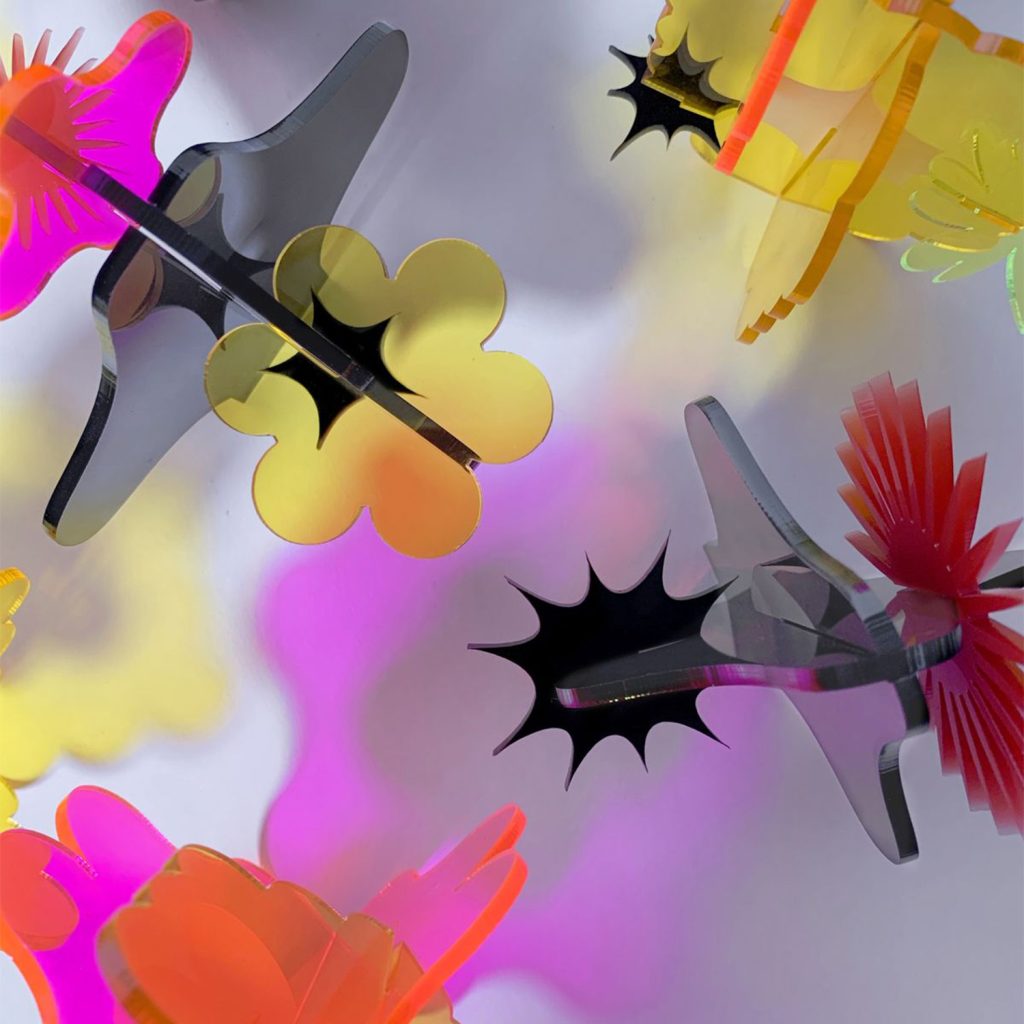
- Technical plastics: PA (Polyamide), PC (Polycarbonate), PE (Polyethylene), PET, PP, PBT, ABS.
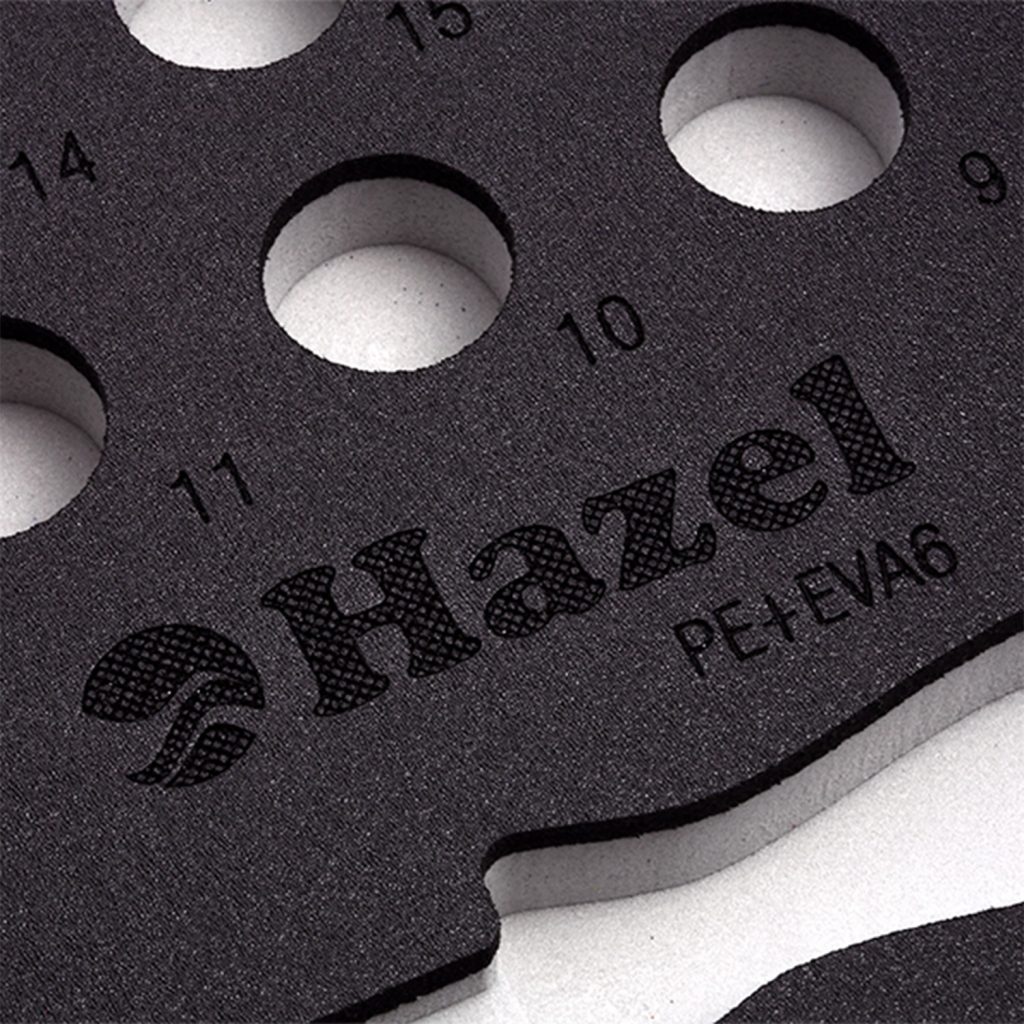
- Polyurethane foams (for tool nesting or protective block marking).
Organic and flexible materials (subject to conditions)
Although CO2 lasers are generally preferred for these substrates, fiber lasers can achieve excellent high-speed surface marking results on:
- Leather (precise marking of logos, batch numbers).
- Textiles (personalization or cutting of synthetic fabrics).
- Paper and colored cardboard (ideal for coding or creating security seals).
Types of applications possible according to thickness
- Marking and Engraving: Possible on all materials mentioned above, with no limit on part thickness.
- La Découpe : Le laser fibre de marquage industriel peut être utilisé pour découper, mais cela reste réservé aux métaux de faible épaisseur (généralement jusqu’à 0,5 mm). C’est une application très courante en joaillerie pour découper des formes complexes dans des feuilles d’or ou d’argent.
Why choose a Fiber laser or a CO2 laser?
The choice between a Fiber laser and a CO2 laser is primarily based on a major physical difference: the beam wavelength.
The Fiber laser has a wavelength of (near-infrared), while the CO2 laser emits at (far-infrared). Since materials absorb these wavelengths differently, each source has its preferred areas of application.
Choose the right source according to your applications:
The CO2 source: Specialist for organic materials and plastics
The CO2 laser is the most versatile technology for processing non-metallic materials. The beam is perfectly absorbed by wood, glass, and the majority of polymers.
- Marking: Wood, paper, cardboard, leather, textile, ceramic, cork, as well as anodized aluminum and lacquered metals (by removing the surface layer).
- Engraving: Wood, glass, mirror, stone, paper, cardboard, leather, textile, cork, lacquered metals, foams, and a very wide range of plastics (PMMA/Acrylic, PA, PC, PE, PES, PET, PP, PS, PPS).
- Cutting: Excellent performance on wood, paper, cardboard, leather, textile, cork, foams, and plastics (notably PMMA, which offers a perfectly polished, shiny edge).
Fiber Source: Specialist in metals and high-speed traceability
The Fiber laser excels on dense materials. Its wavelength is highly absorbed by all metals (including reflective metals like copper or brass) and produces high contrast on many technical plastics.
- Marking: All metals (steel, stainless steel, aluminum, brass, copper, titanium, precious metals), anodized aluminum, as well as colored paper, leather, textiles, ceramics, foams, and many plastics (PA, PBT, PC, PE, PES, PET, PP, PS, PUR).
- Gravure : Idéal pour la gravure profonde sur métaux (bruts, laqués ou précieux), l’aluminium (brut ou anodisé), la céramique et le miroir (retrait du tain à l’arrière).
- Découpe : Permet la découpe de précision, mais reste limité aux métaux fins (jusqu’à 0,5 mm) dans ces configurations.
Tableau comparatif de synthèse
In summary:
- Choose CO2 if you primarily work with wood, acrylic (PMMA), leather, glass, or cardboard.
- Choose Fiber if your absolute priority is marking, traceability (barcodes, IUID), or engraving on metal parts or industrial plastics.
What is the maintenance of a Fiber laser?
One of the greatest technological advantages of fiber lasers lies in their architecture, which reduces maintenance to an absolute minimum.r
Unlike older generation CO2 or YAG lasers, there are no mirrors to align and no consumables to replace regularly.
r
Here’s what you need to know about the maintenance of our equipment:
r
A hermetic and wear-free optical headr
The guidance and movement of the laser beam are ensured by ultra-fast mirrors mounted on galvanometric motors.
r
r
- r
- r
Zero maintenance: The galvanometric head is completely closed and hermetic. The internal components are thus fully protected from workshop dust and engraving residues.
r
t
r
r
The only periodic maintenance: The output lens (F-Theta)r
The only component that requires human attention is the focusing lens located at the lower end of the head.
r
r
- r
- The action: Periodic cleaning using a soft optical cloth and a suitable solvent (generally isopropyl alcohol) to remove any dust deposits.
- Very low frequency: As the lens is located at a distance from the working area (thanks to the focal length), it is naturally protected from direct projections, which significantly limits its fouling.
t
r
t
r
r
A laser source with exceptional longevity
r
The source that generates the laser beam is a sealed, maintenance-free unit.
r
r
- r
- Maximum reliability: It benefits from an MTBF (Mean Time Between Failures) of approximately 100,000 hours.
- In concrete terms: This represents more than 10 years of continuous 24/7 use, guaranteeing optimal production stability and an extremely low total cost of ownership (TCO).
t
r
t
r
Which power to choose for a fiber laser?
The choice of a fiber laser’s power does not only depend on the material to be processed, but also on the desired result: surface marking, deep engraving, material removal, or fine cutting.
Each application requires a balance between power, execution speed, precision, and rendering quality.
Which power to choose according to the application?
Low power (20 W to 30 W)
Applications:
- Surface marking.
- Thermal treatment (annealing on metals).
- Marking on plastics and polymers.
Ideal for:
- Traceability (barcodes, serial numbers, logos).
- Marking without material removal.
- Applications requiring the preservation of plastic integrity without burning or deformation.
Intermediate to high power (50 W to 100 W)
Applications:
- Deep engraving.
- Micro-machining.
- Fast material removal.
Ideal for:
- Industrial molds.
- Foundry parts.
- Markings intended to remain visible after painting, sandblasting, or surface treatment.
Very high power (200 W to 300 W and above)
Applications:
- Fine metal cutting.
- High-speed 3D engraving.
- Intensive industrial production.
Ideal for:
- Brass.
- Stainless steel.
- Aluminum.
- Production lines requiring reduced cycle times.
Adapting the technology to the material
On metals (steel, stainless steel, aluminum, brass), fiber laser is particularly suited for marking and engraving applications on metals.
Depending on the parameters used, it is possible to obtain:
- Black marking by annealing (without material removal).
- Surface whitening.
- Recessed engraving.
On certain materials such as stainless steel, MOPA technology also allows for advanced contrast effects and certain colored nuances.
On plastics, power setting must be controlled to induce a visual or chemical modification of the material without deteriorating the polymer.
Depending on the material, different effects can be obtained:
- Color change.
- Foaming.
- Controlled carbonization.
Validate your choice with our technical department
Each alloy, plastic, or surface treatment reacts differently to the laser. Actual performance must therefore be confirmed by tests.
Our technical department can assist you with:
- Performing feasibility tests on your samples.
- Determining the appropriate configuration (power, focal lens, scanning parameters).
- Validating contrast, depth, and cycle time objectives.
A preliminary test generally allows for rapid identification of the most suitable configuration for your application.
What are the different fiber laser machines offered?
Our range of fiber laser machines is designed to adapt precisely to your industrial requirements, whether for unit traceability or high-speed production.
Powers and Working Areas
- Available Powers: from 20 W to 300 W, allowing for applications ranging from fine and fast marking to micro-machining or deep engraving on metals and certain polymers.
- Working Dimensions: from 70 × 70 mm (suitable for medical parts or watchmaking) up to 1200 × 600 mm (for large panels or multi-part trays).
Different Technologies and Architectures
Depending on the desired productivity and the level of automation in your workshop, the range comes in 3 main configurations:
- Fiber Mark (Standalone Workstations)
Complete and secure (Class 1) workstations for operators. Available in three finish levels: Basic, Standard, and Pro. - Fiber Mark Tool (Portable Version)
Compact and mobile solution, ideal for direct marking on bulky, heavy, or difficult-to-move parts within the workshop. - Fiber Max Pro Max XY (Large Area)
Equipment featuring a motorized displacement system on the X and Y axes, specially developed to cover large working areas and optimize the processing of multiple parts.
A Tailored Approach
The flexibility of our technologies (choice of laser sources, focal lengths, and automation options) allows us to configure the machine best suited to your specifications, materials, and production objectives.
THERMOFLAN advantages
Over 60 years of experience
Permanent stock
Best quality/price ratio
Technical availability
Demandez conseil à nos experts
Comment pouvons-nous vous aider ?