





Voir toutes les actualités
MetalPhoto
From: 2375 €
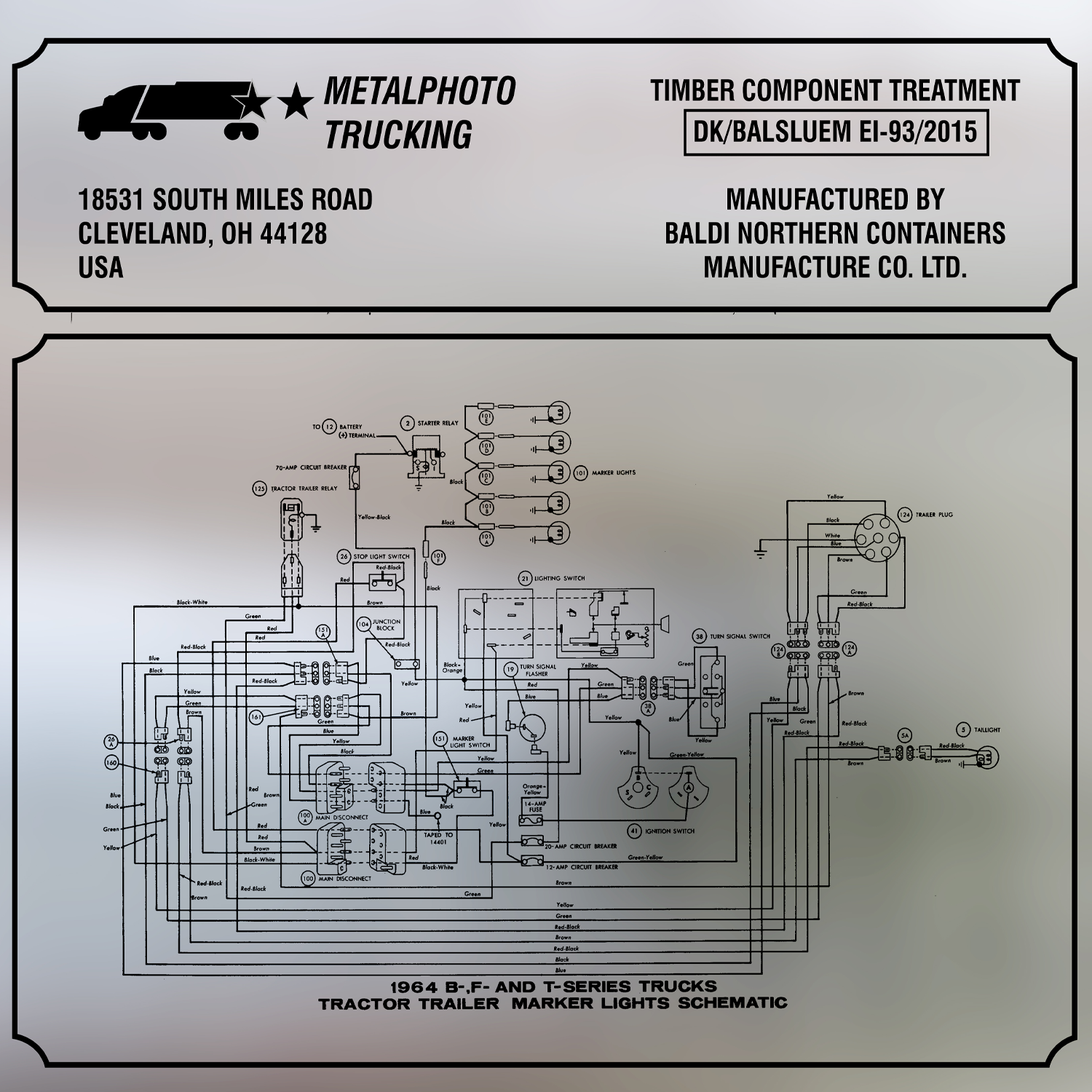
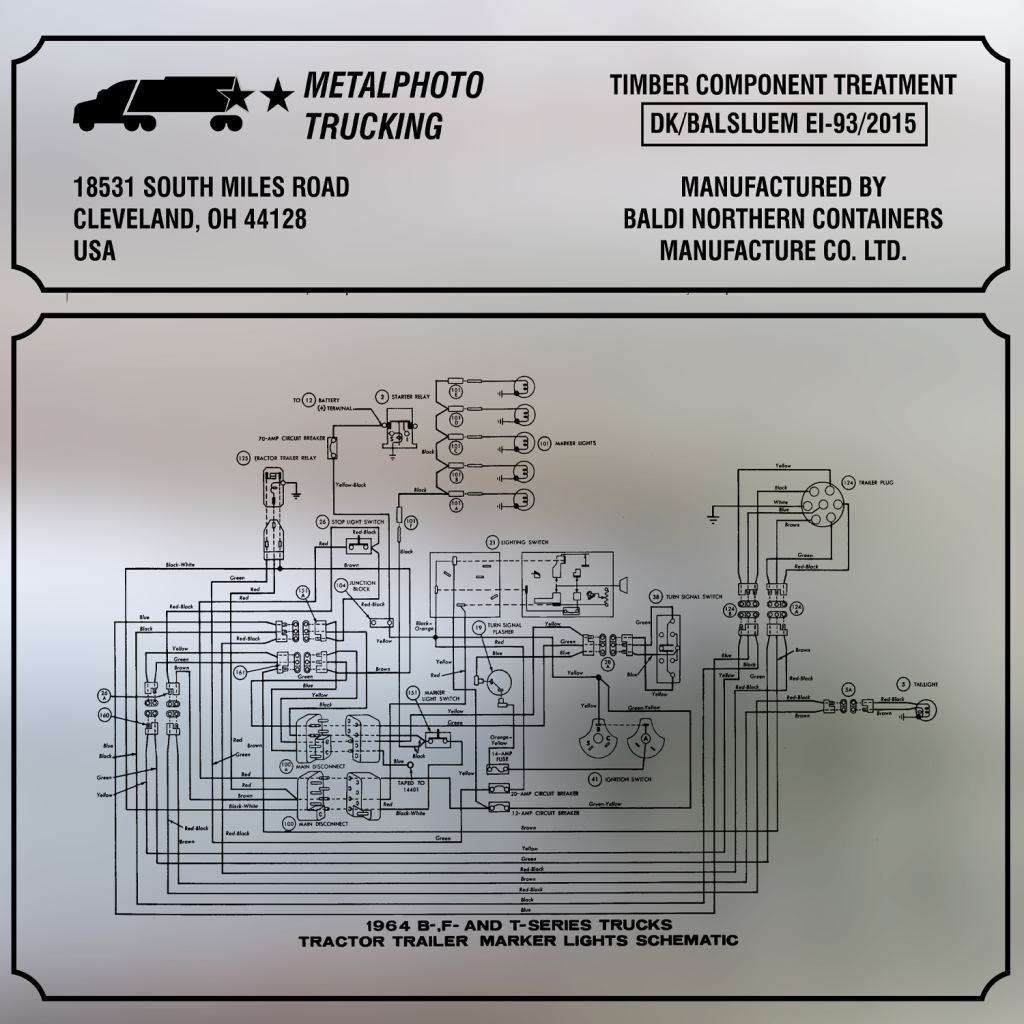
MetalPhoto is a photosensitive anodized aluminum material designed to create durable, high-quality markings.
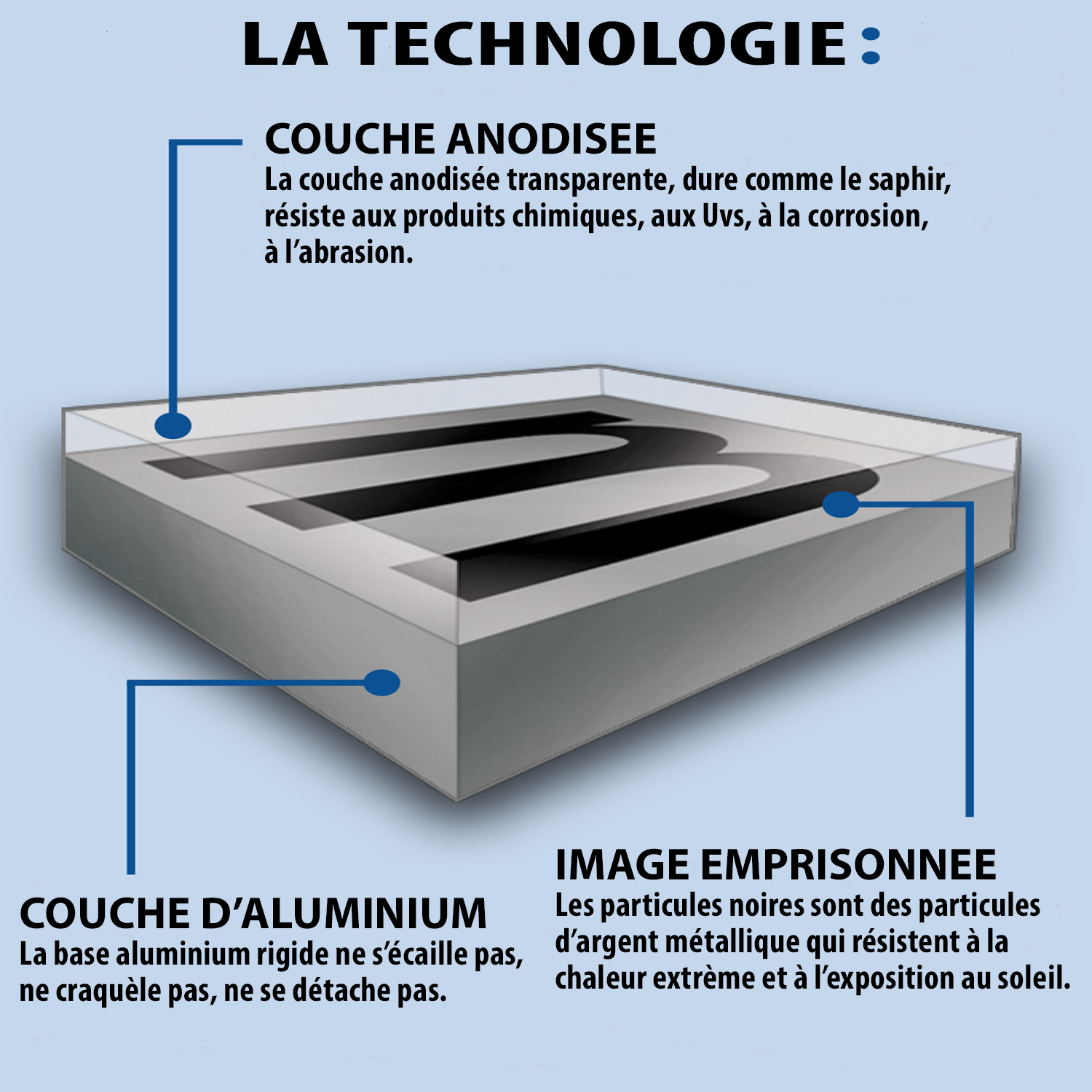
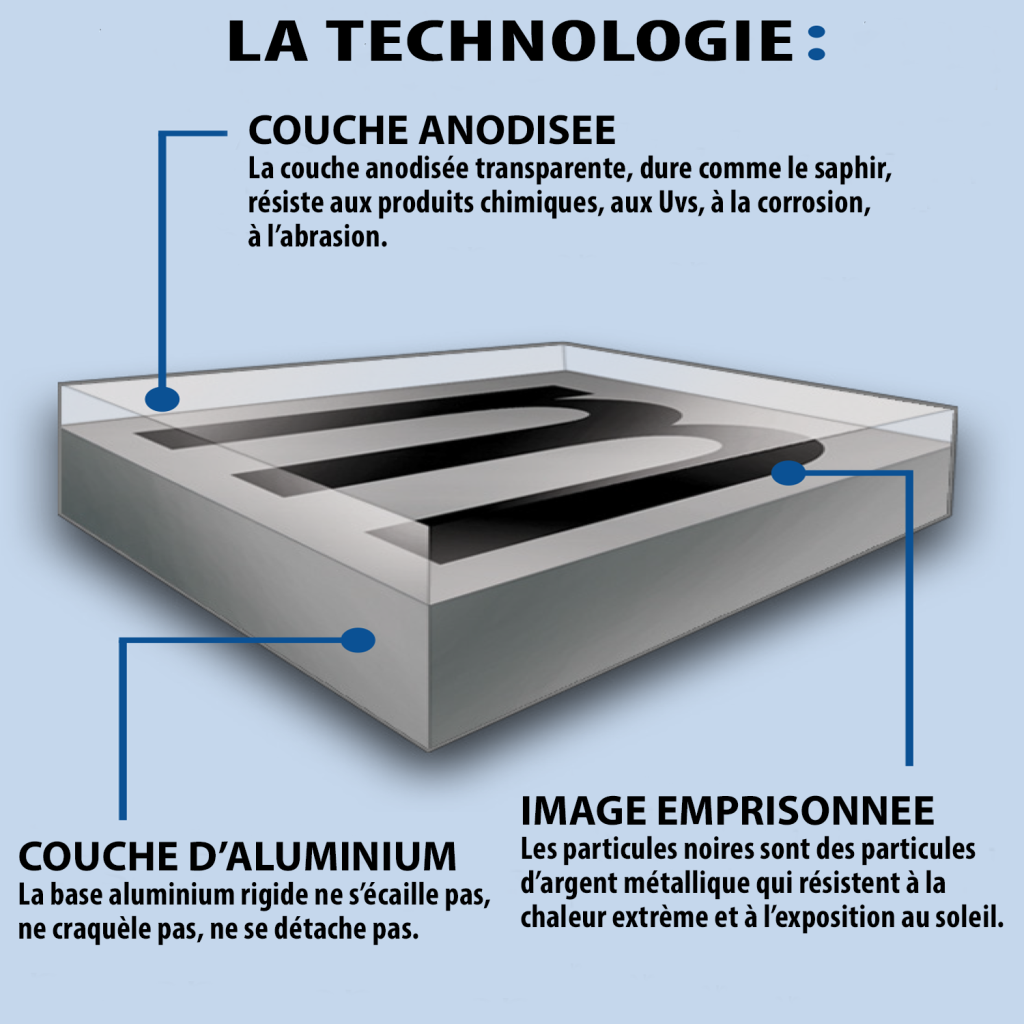
It features a special anodized layer that allows images or text to be encapsulated within the metal. This process offers exceptional resistance to scratches, corrosion, UV rays, chemicals, and extreme temperatures.
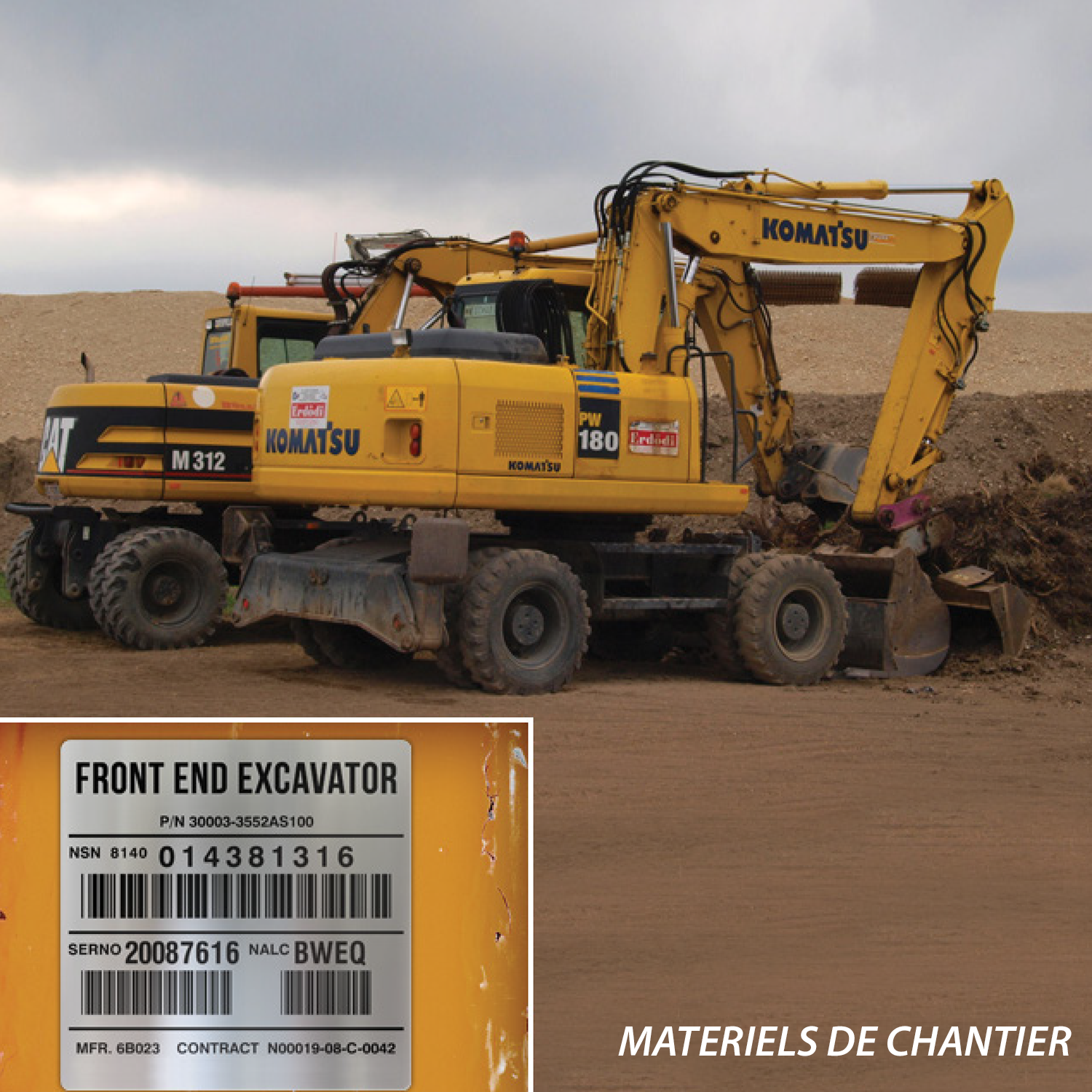
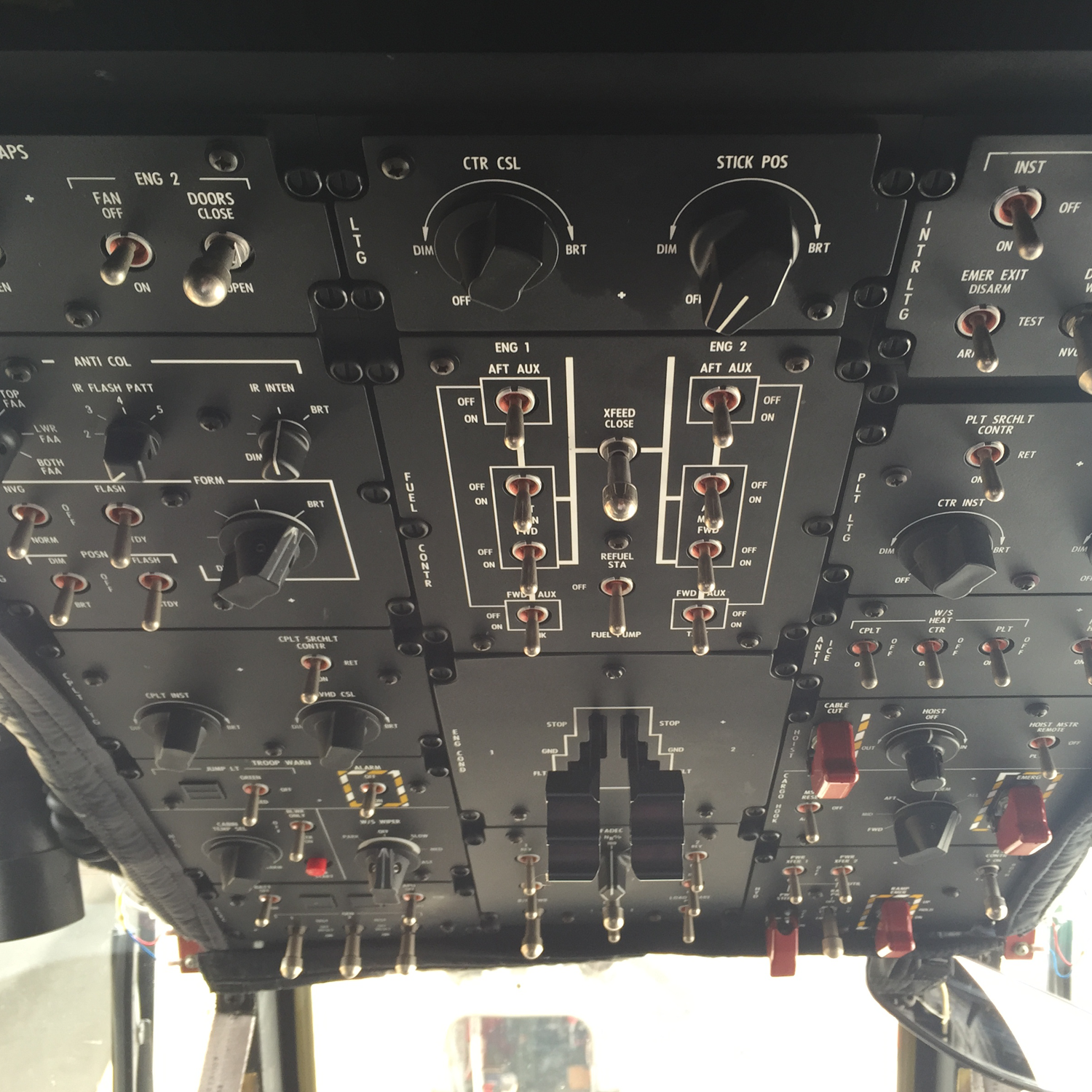
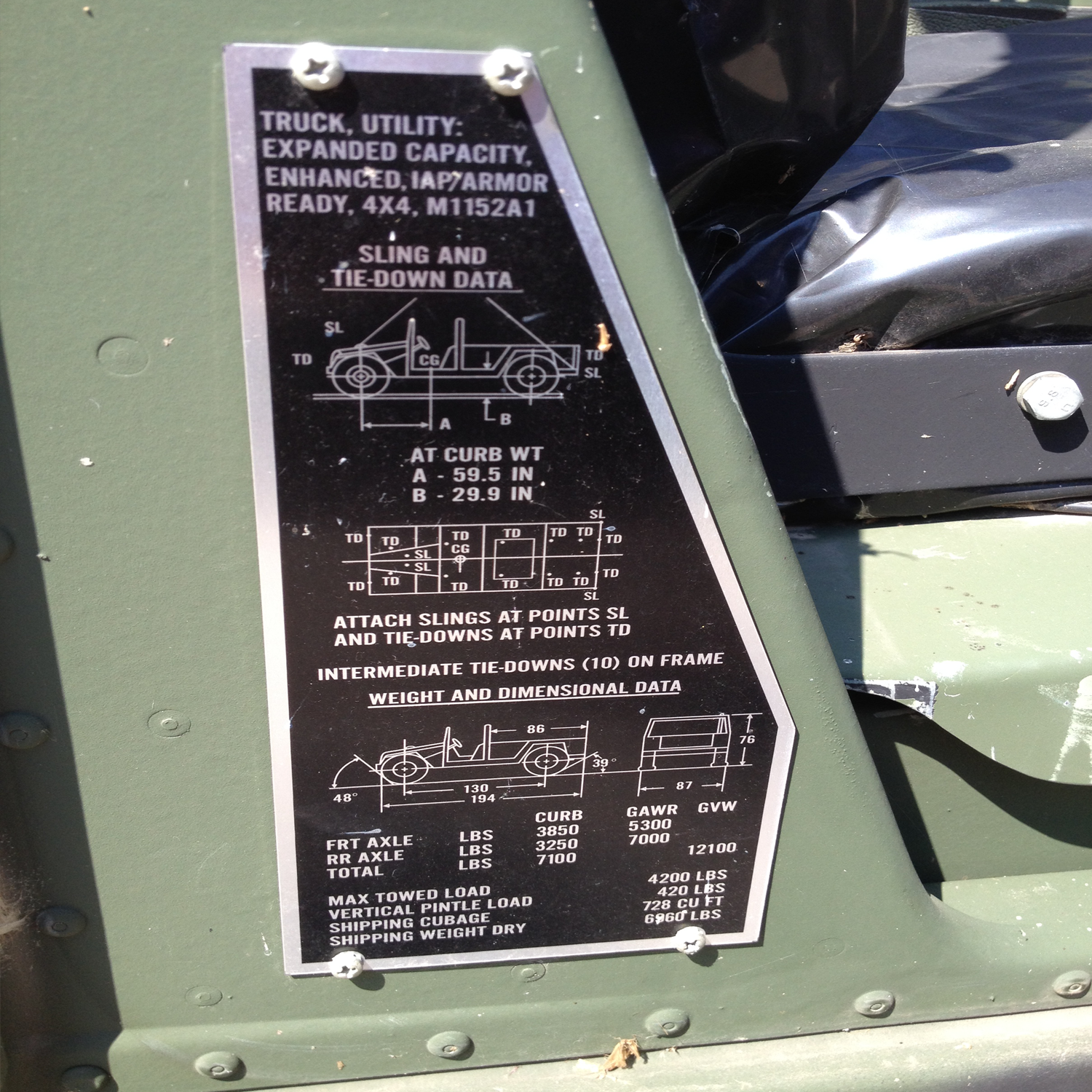
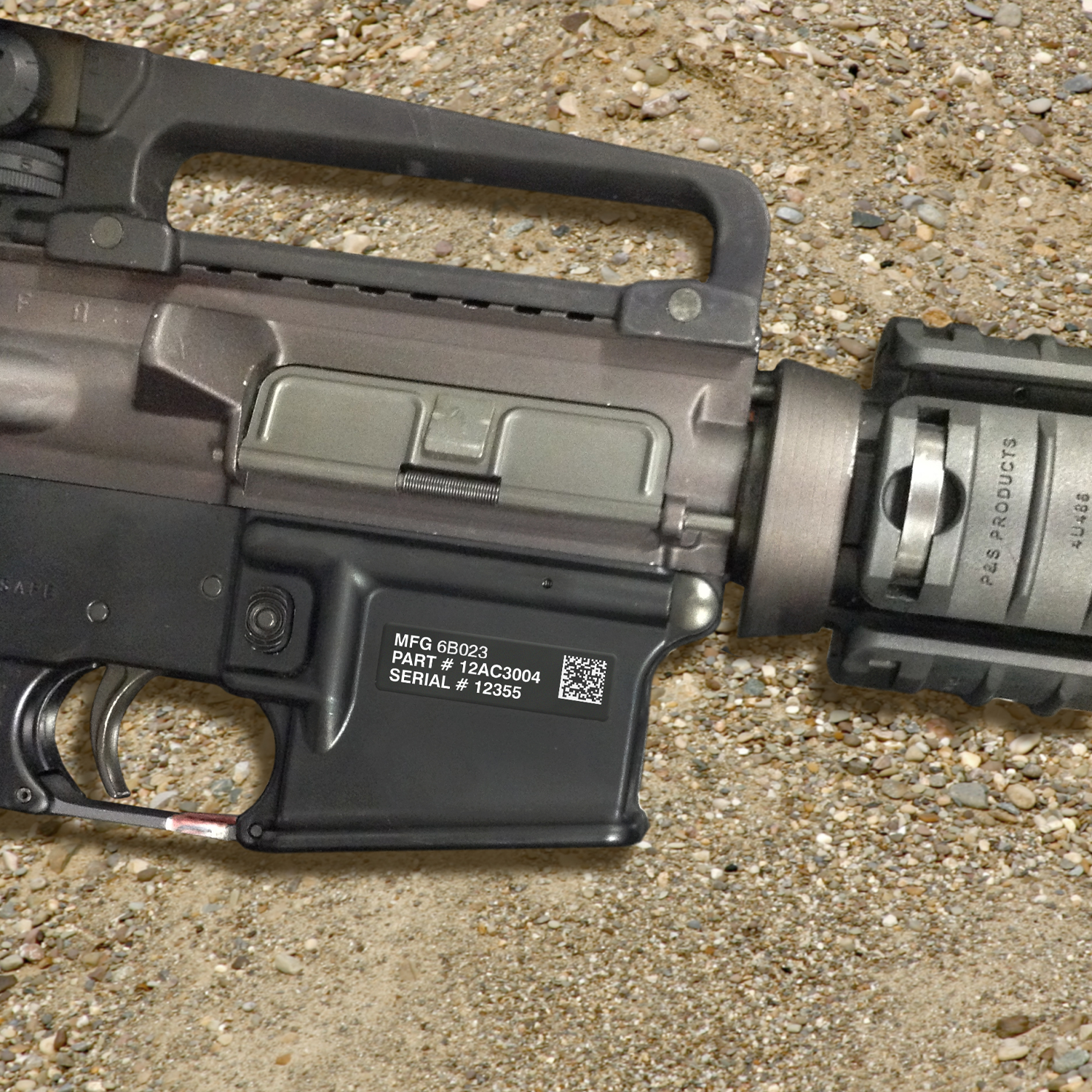
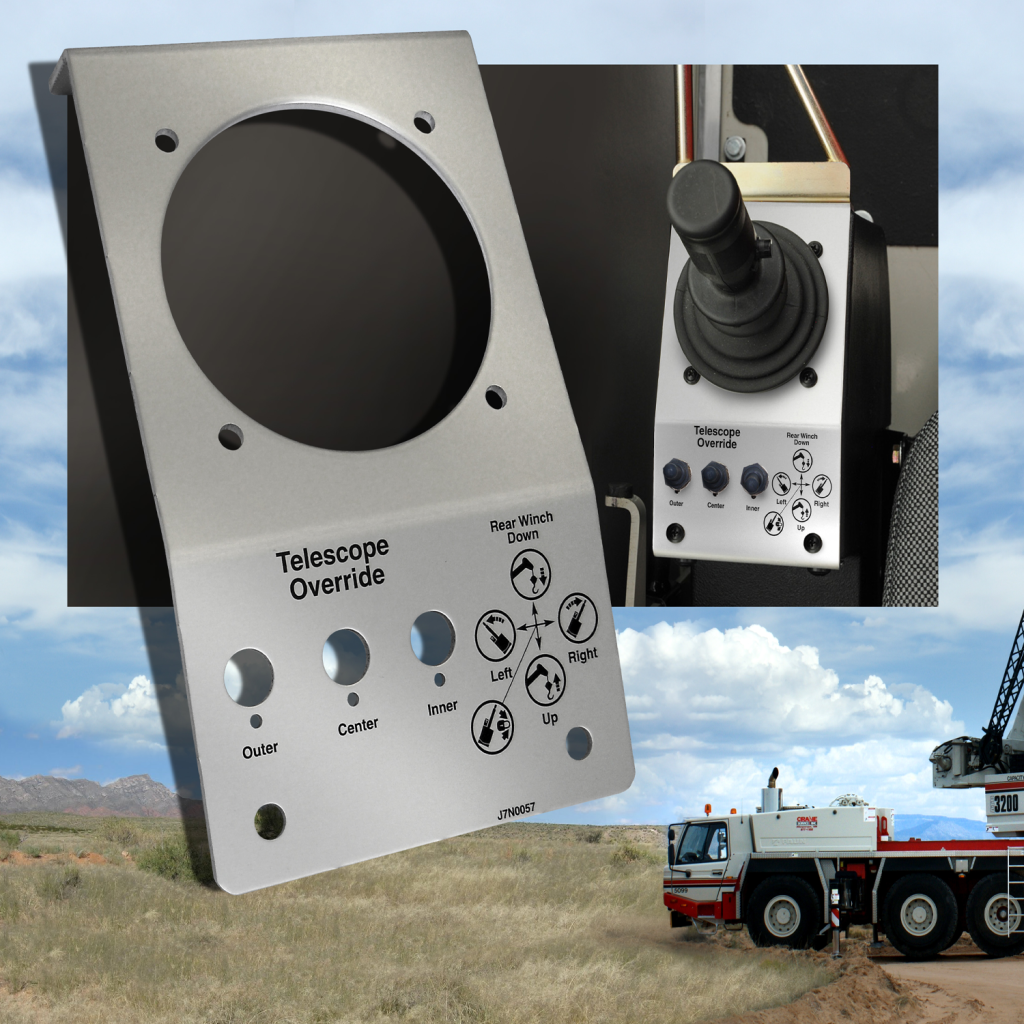
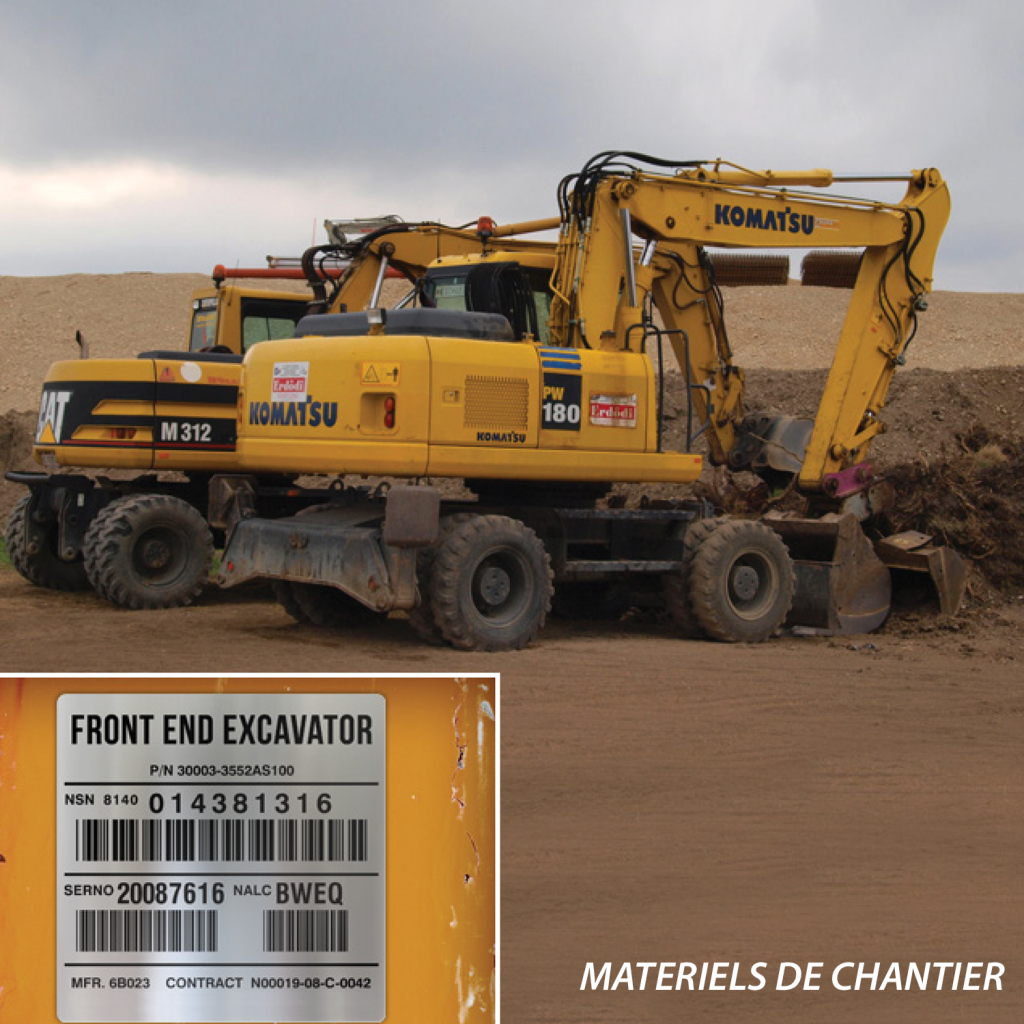
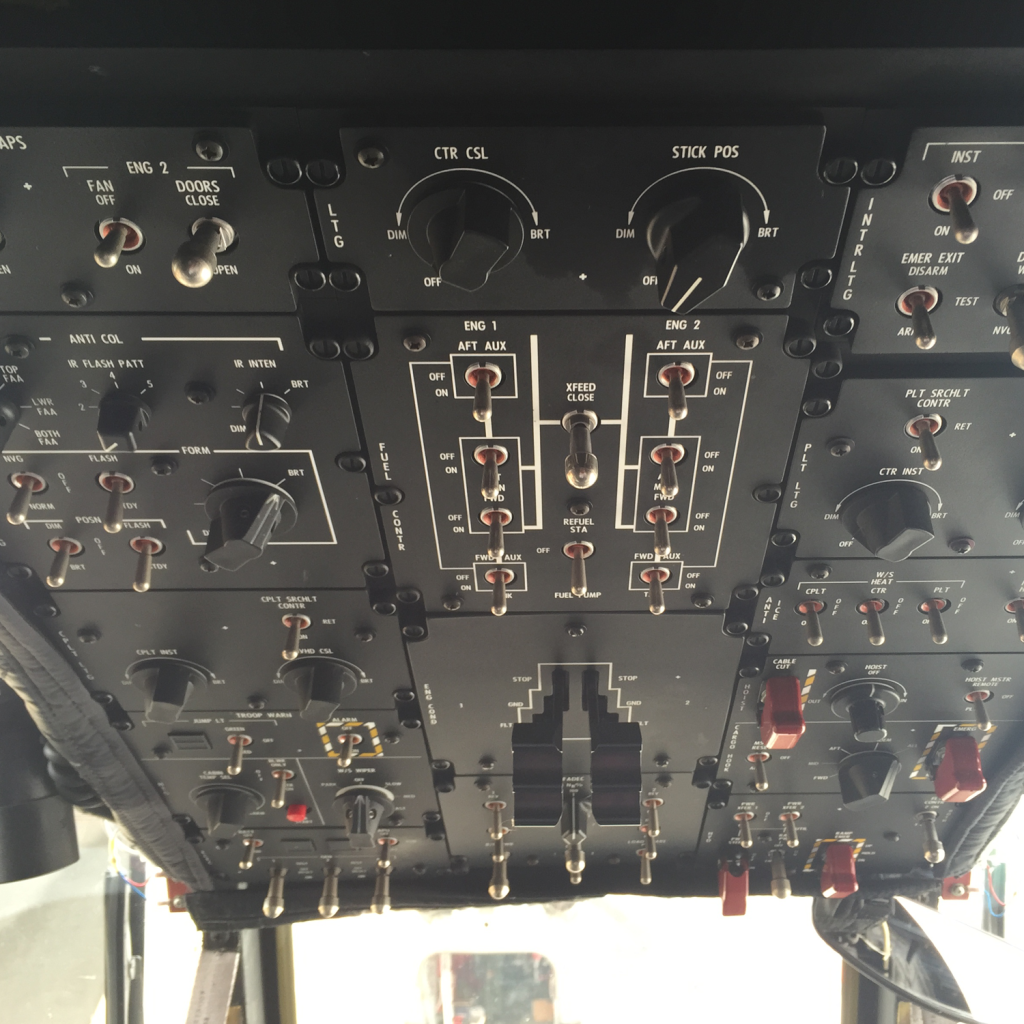
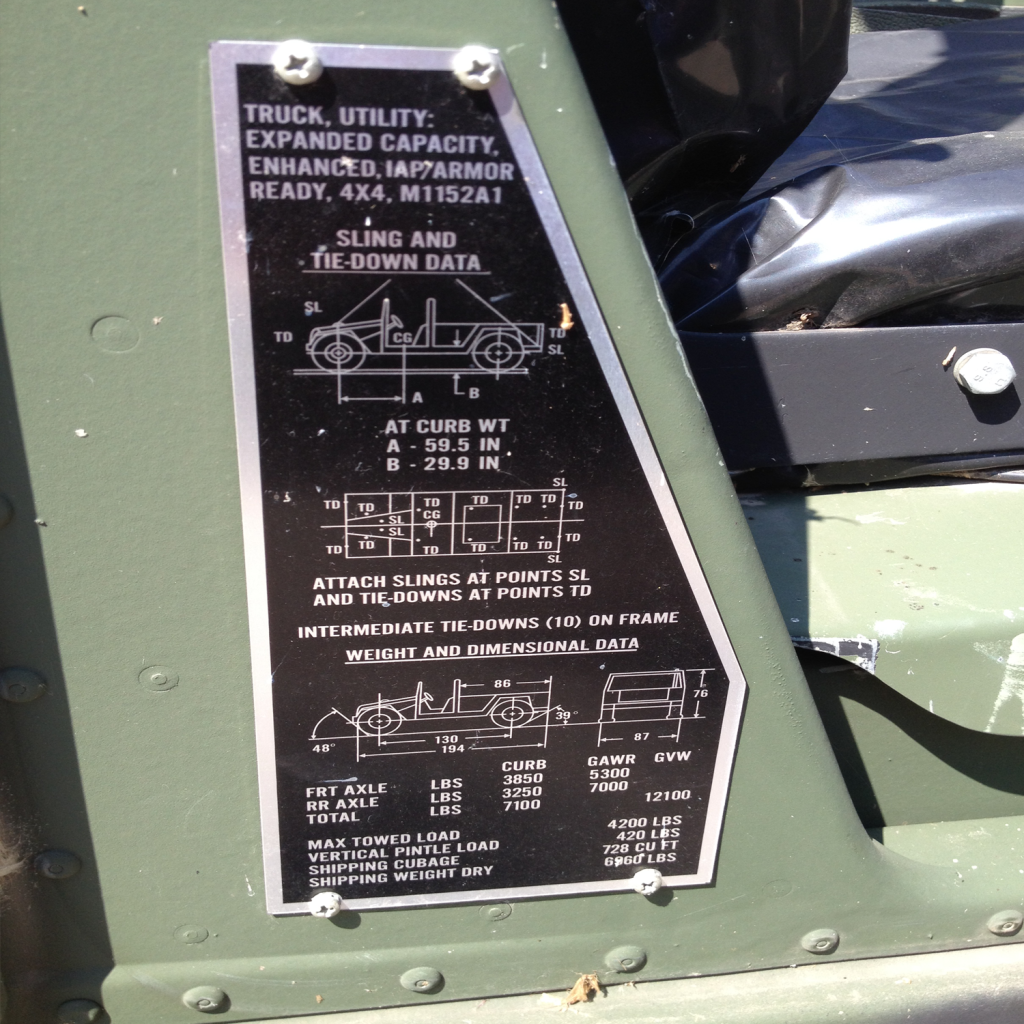
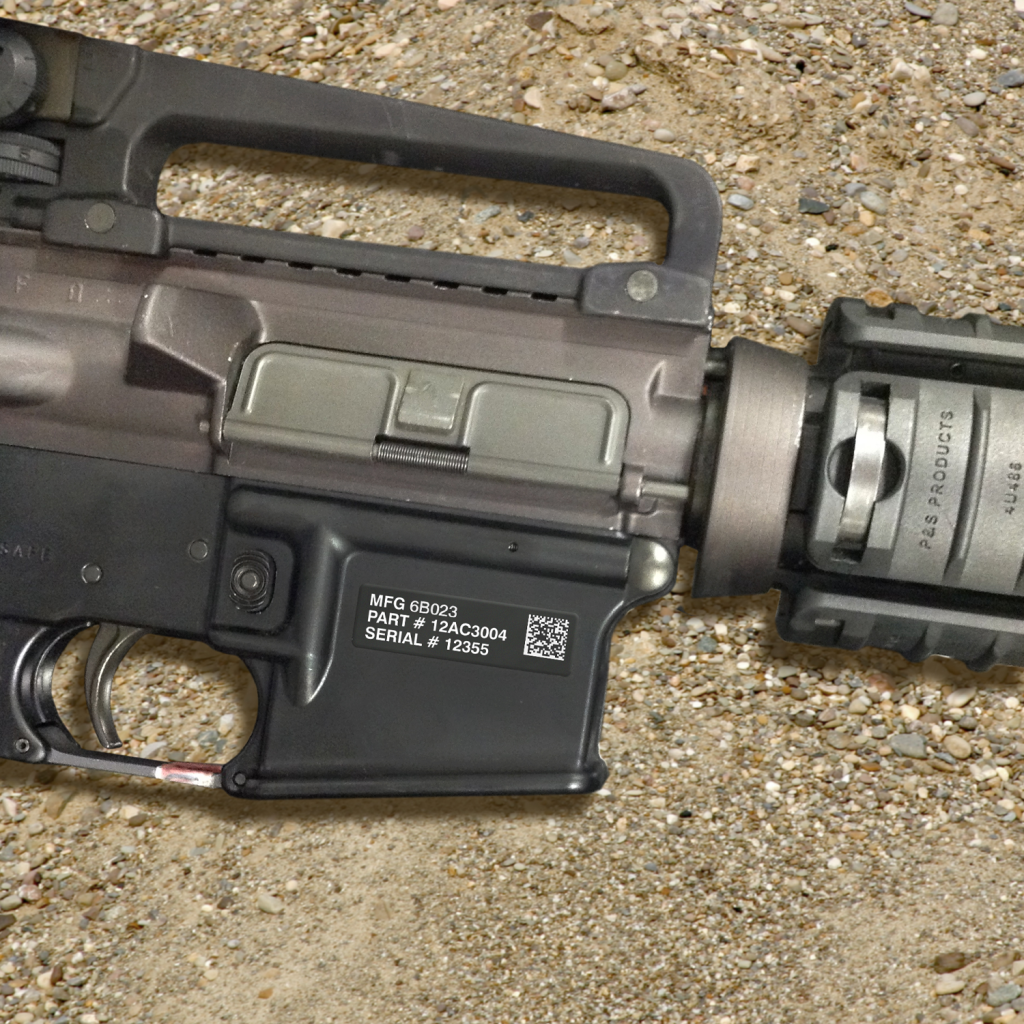
Lightweight and robust, this material is widely used for traceability, identification plates, durable signage, and military or aerospace applications.
Number of colours:
Une couleur
Shape:
Forme relativement plane
Quantity:
Series
Materials:
Discover...
Technical sheet
MetalPhoto is a photosensitive anodized aluminum.
The durability of MetalPhoto comes from its image being sealed inside the anodized aluminum, providing resistance to corrosion, sunlight, abrasion, temperature, and chemicals.
To produce MetalPhoto markings, equipment is required:
– Photosensitive anodized aluminum plates specifically treated for the MetalPhoto process.
– Transparent film printer to print the visual (text, barcode, image, etc.) on a transparent negative film (inkjet film, imagesetter film, etc.).
– UVMark exposure unit which allows the plate to be exposed to light through the film, to transform the silver salt into metallic silver.
– Automatic developing machine with developer and fixer.
– Hot water sealing tank to close the pores of the photosensitive anodized aluminum and permanently encapsulate the image.
– Shears, corner rounder to cut plates to size or create labels.
– Fastening system (punching, adhesive, rivets) depending on the final application.
Features:
Material type
Photosensitive anodized aluminum
Color / Finish
Color: Black / Silver
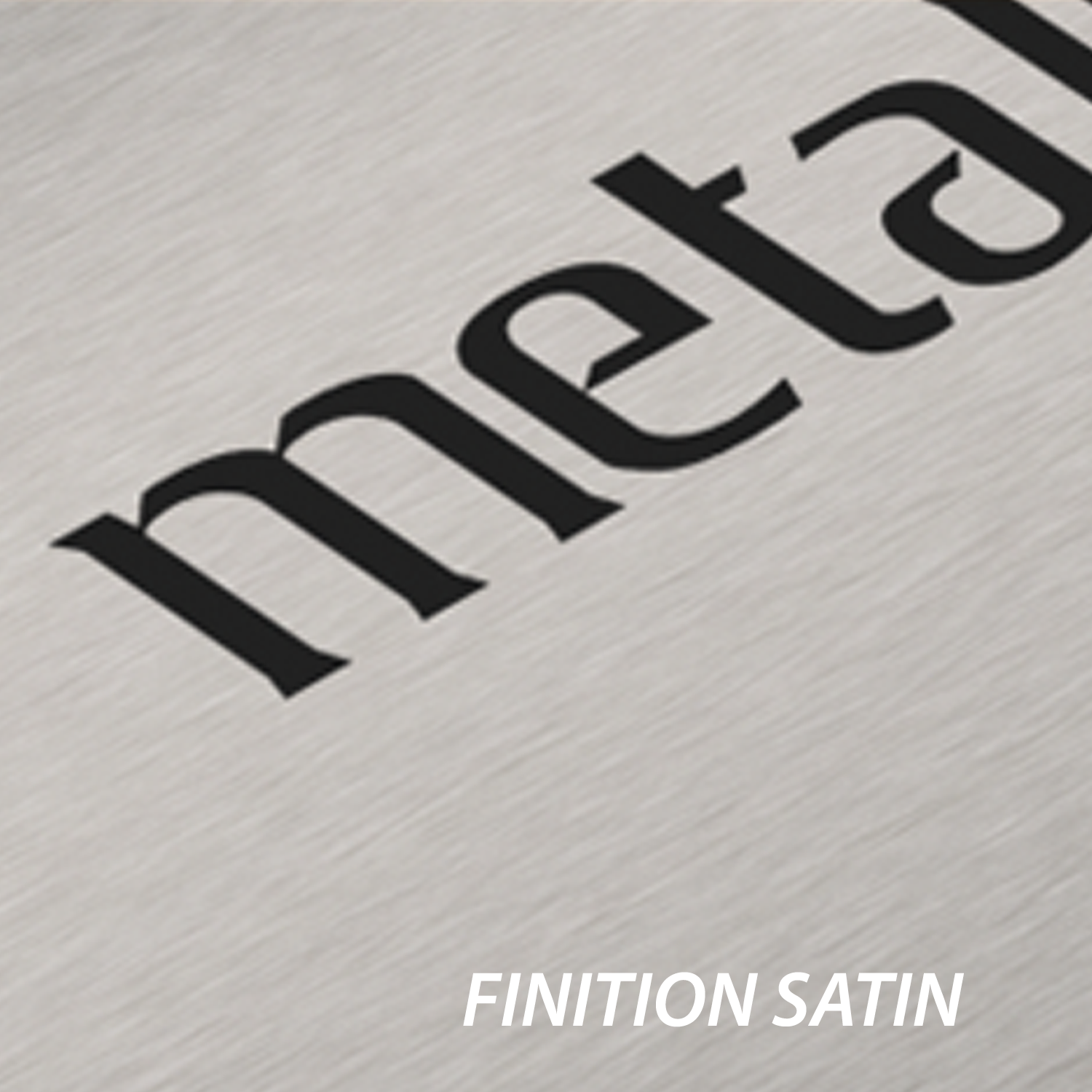
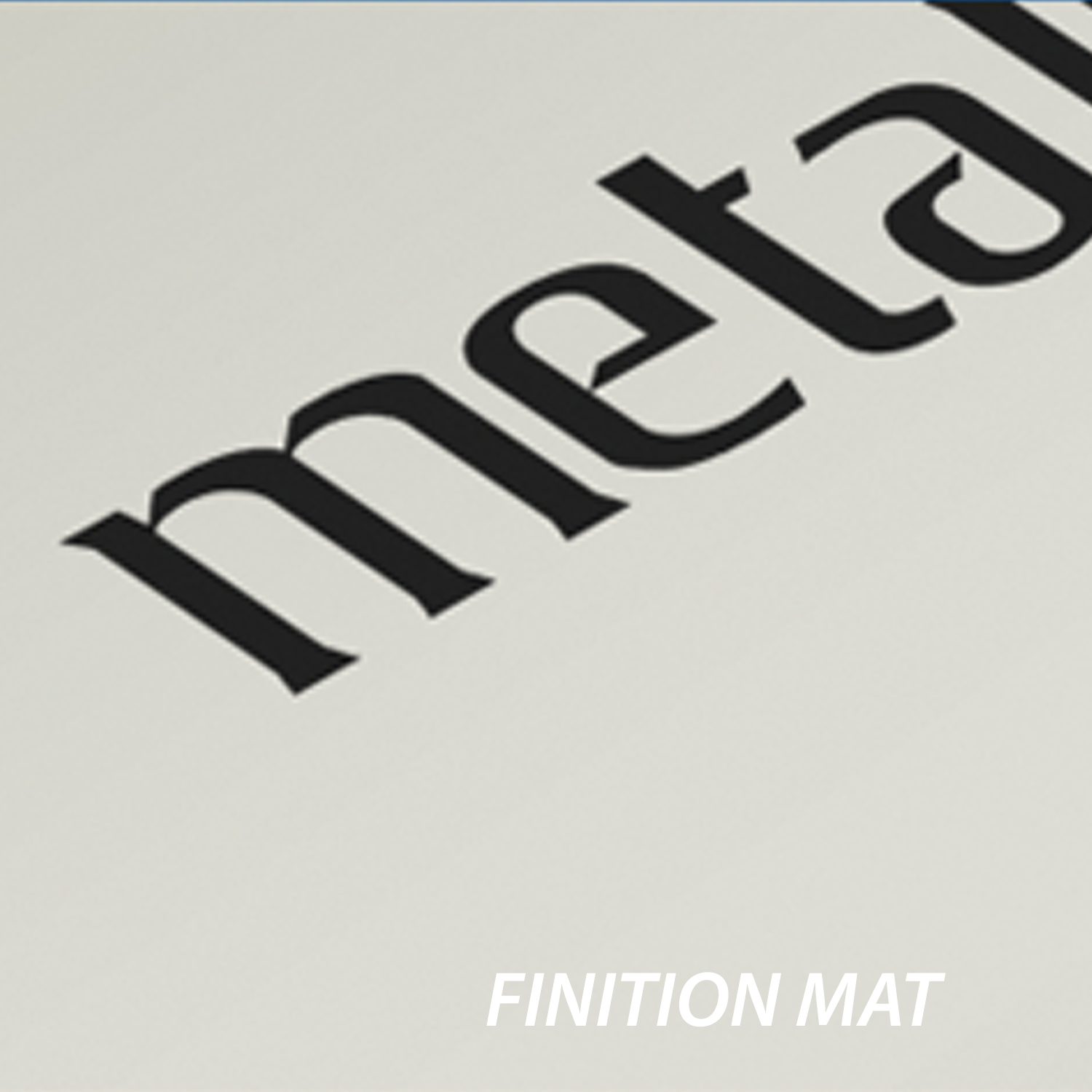
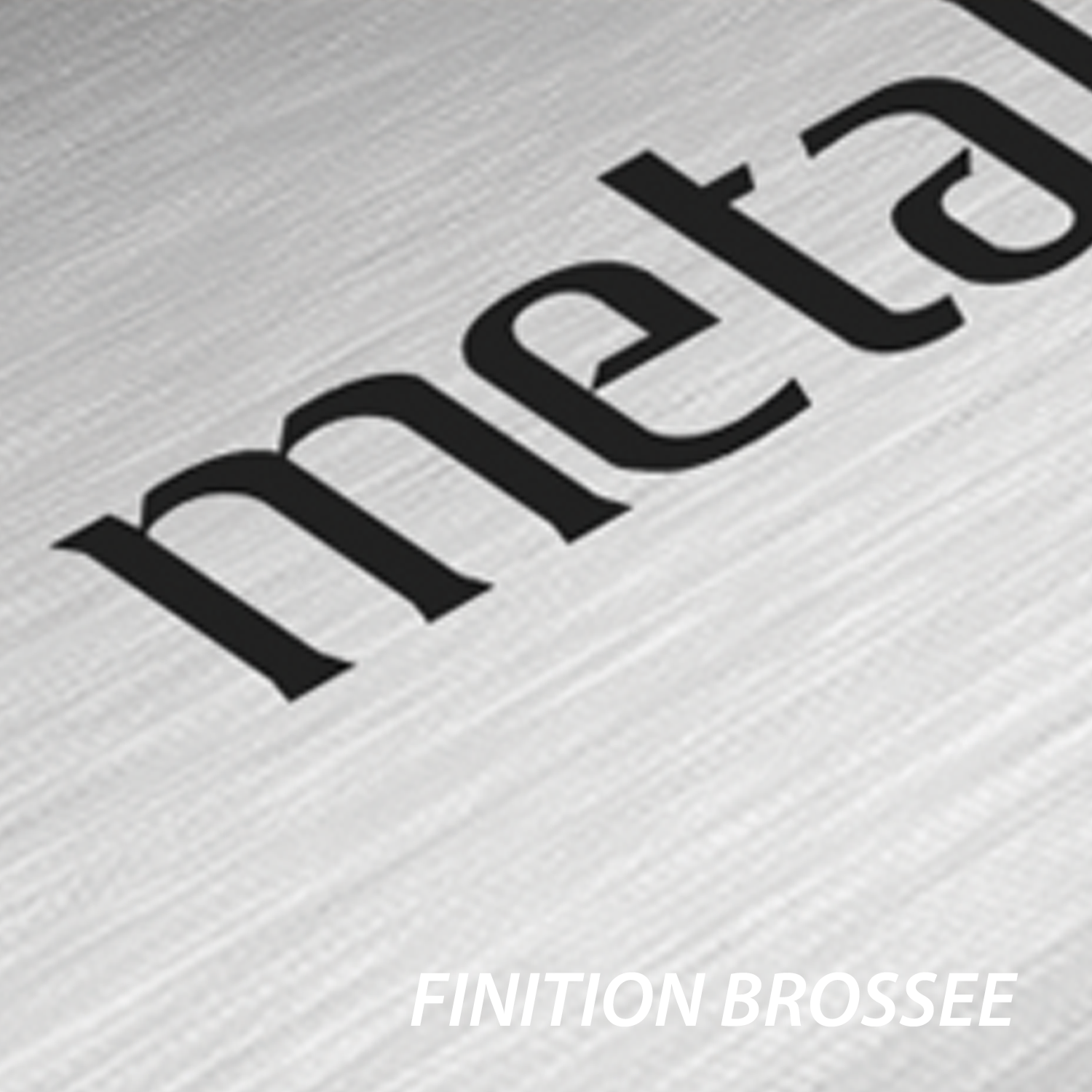
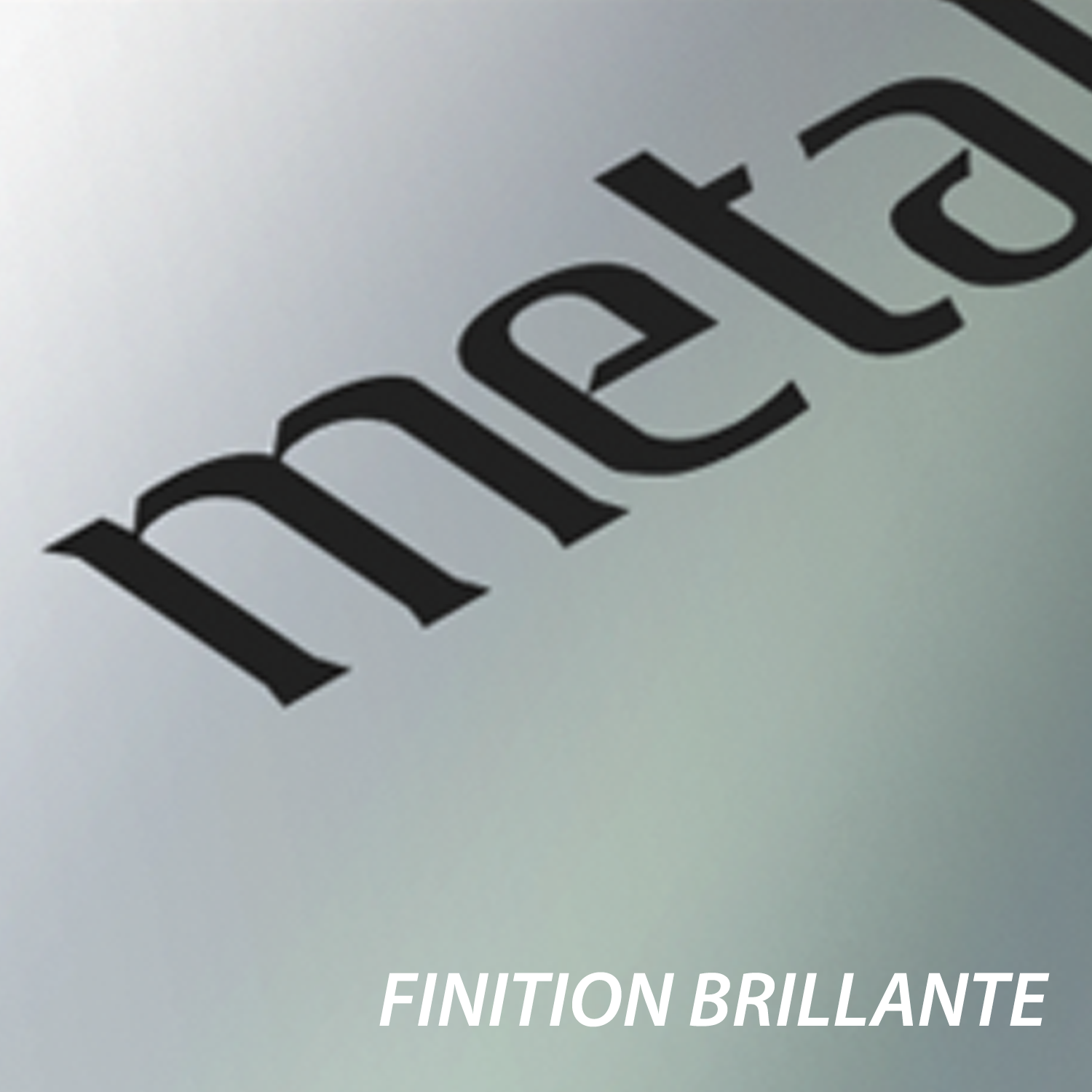
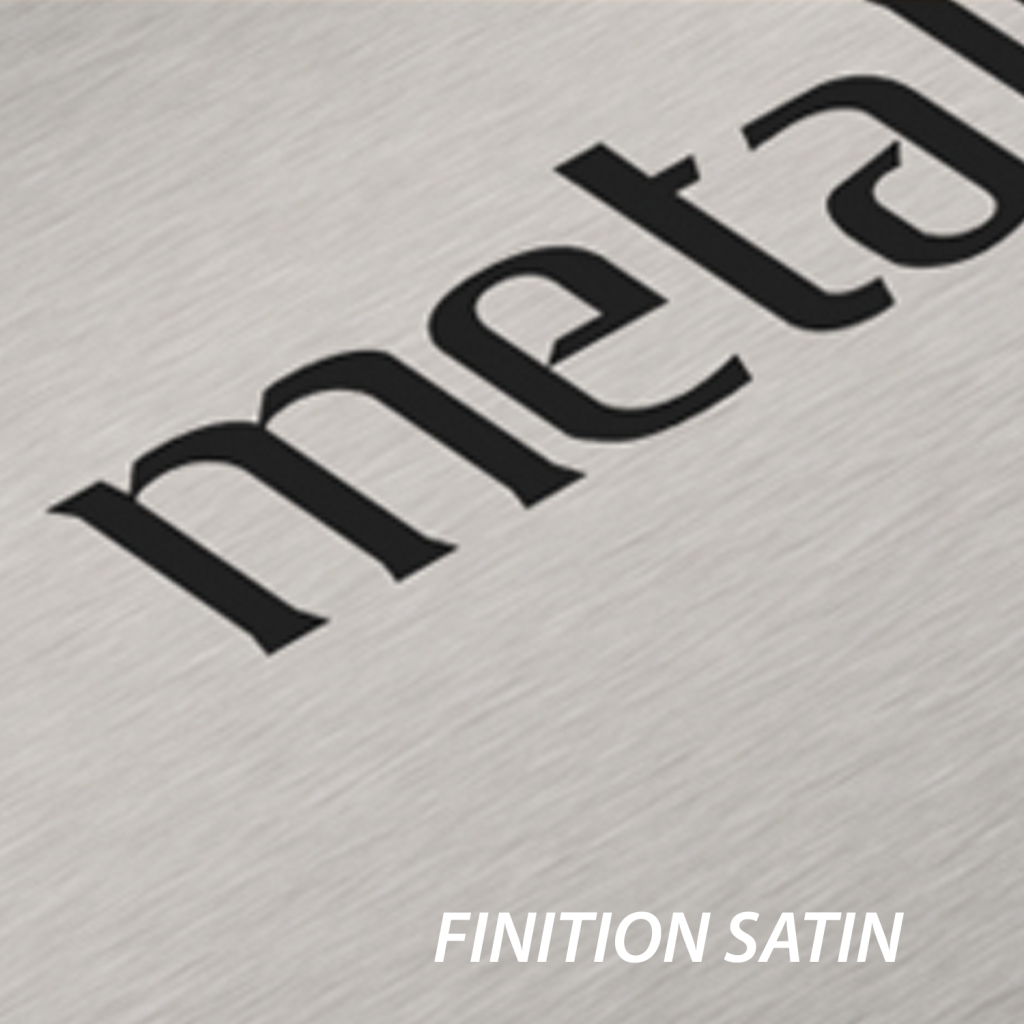
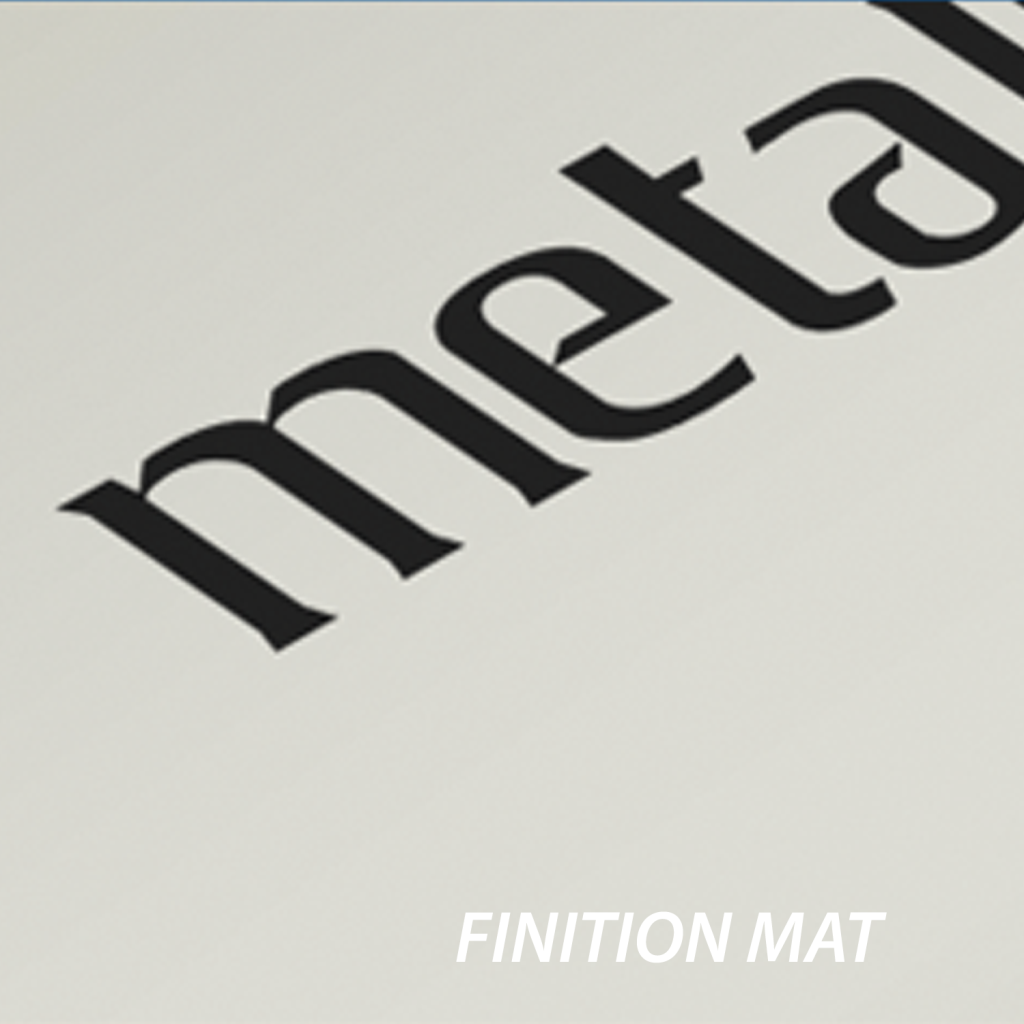
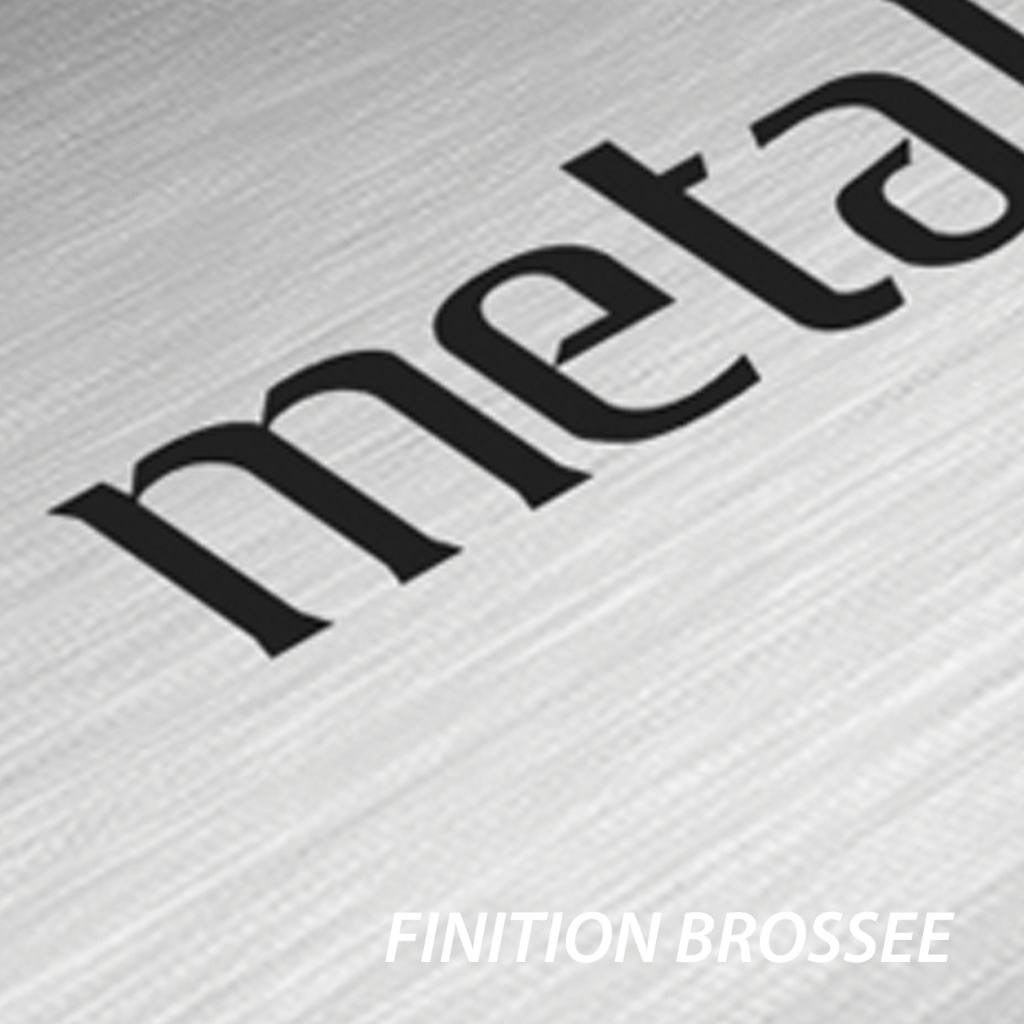
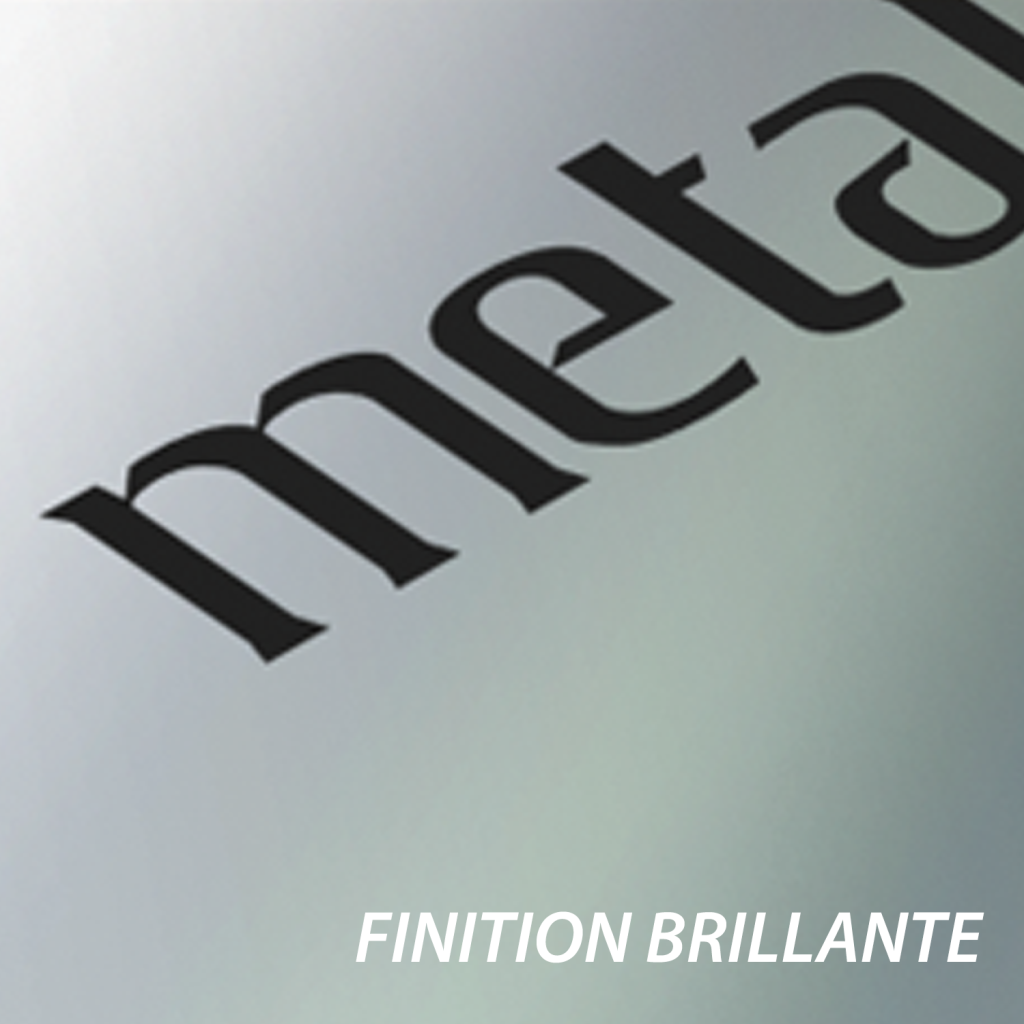
Finish: Satin / Matte / Glossy / Brushed
+ Metalphoto Plus range with colored background: classic and vivid gold
Thicknesses
0.08 mm / 0.13 mm / 0.2 mm / 0.3 mm / 0.5 mm / 0.8 mm / 1mm / 1.6 mm / 2.3 mm / 3.2 mm
Metalphoto Plus range: 0.3 mm / 0.5 mm / 0.8 mm
Formats
254*305 mm
305*508 mm
508*610 mm
610*1210 mm
Resistance
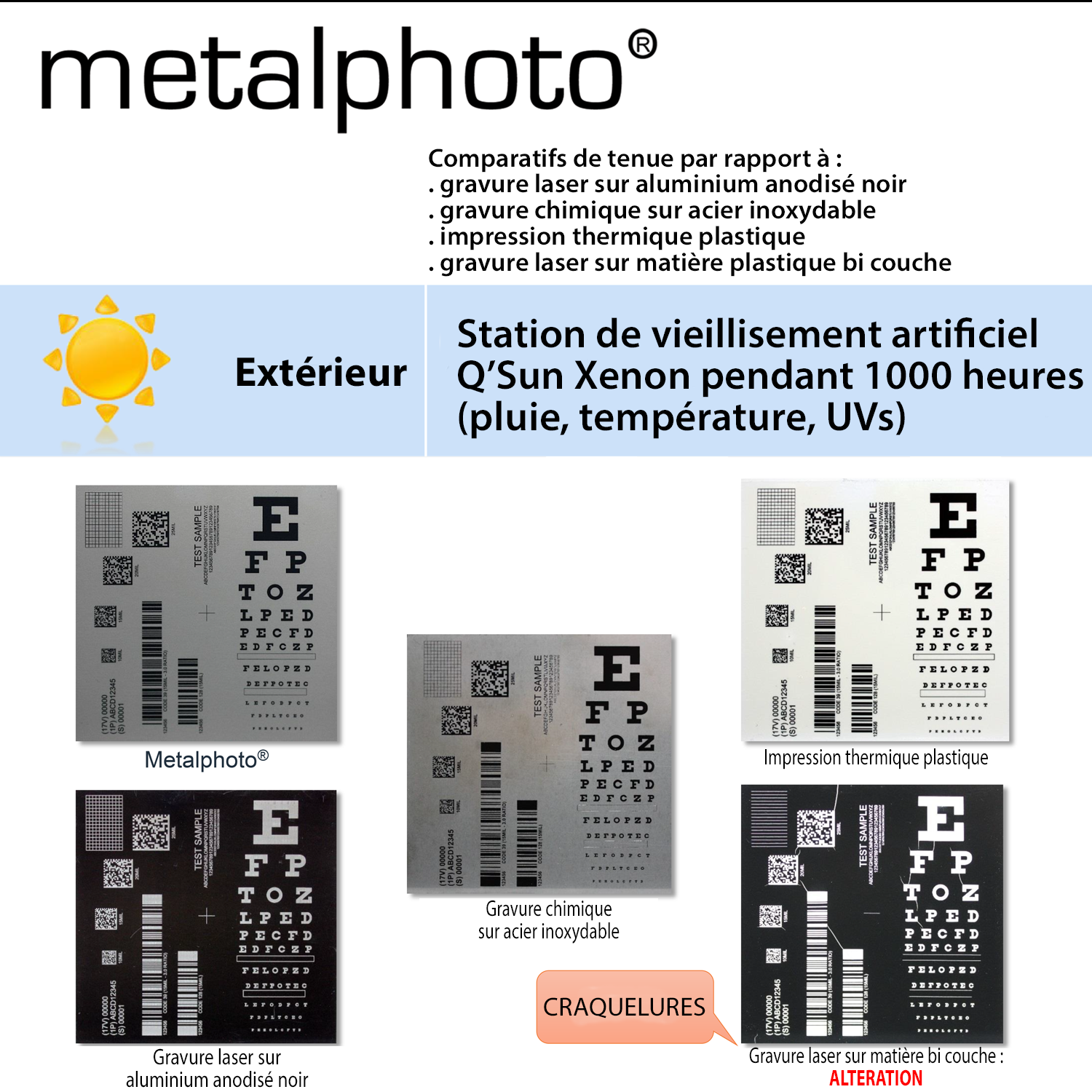
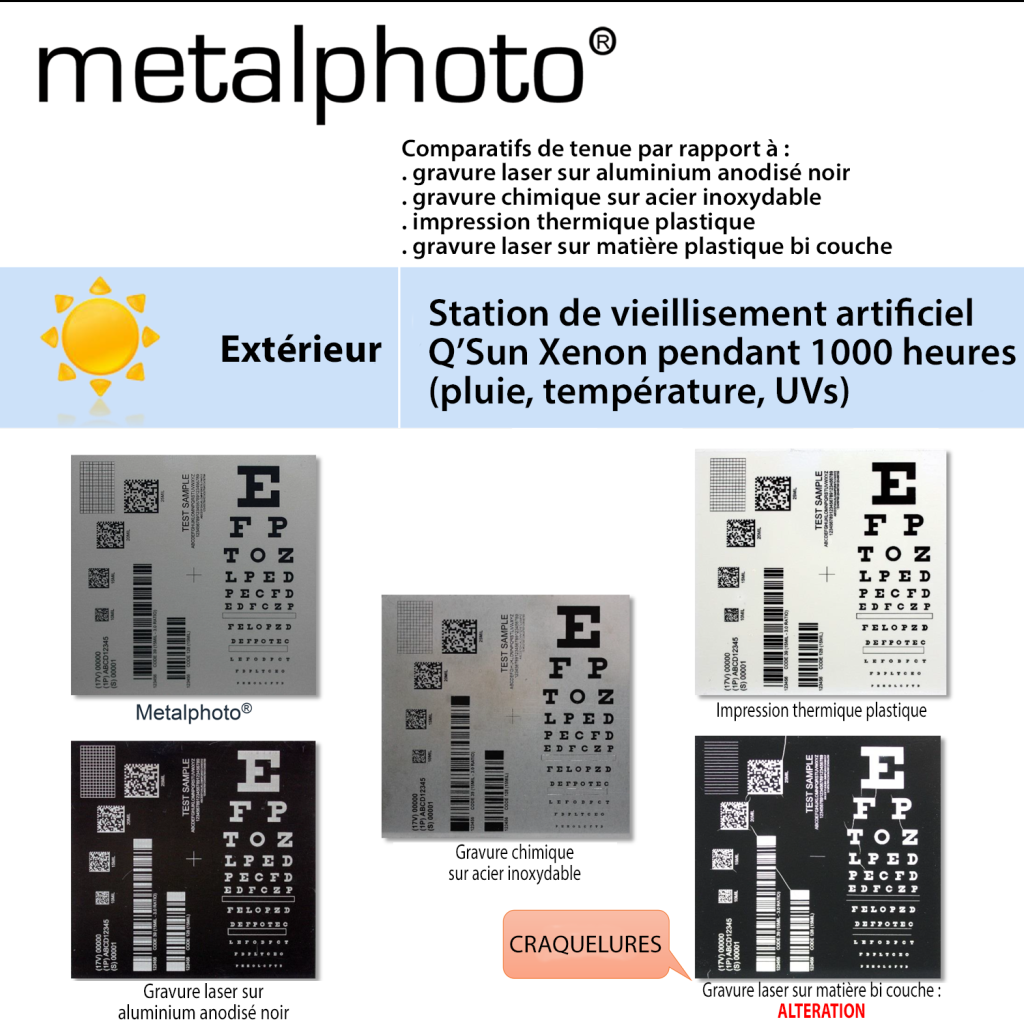
Outdoor resistance (UVs, weather): 20+ years outdoors without degradation of the marking (test GG-P-455P)
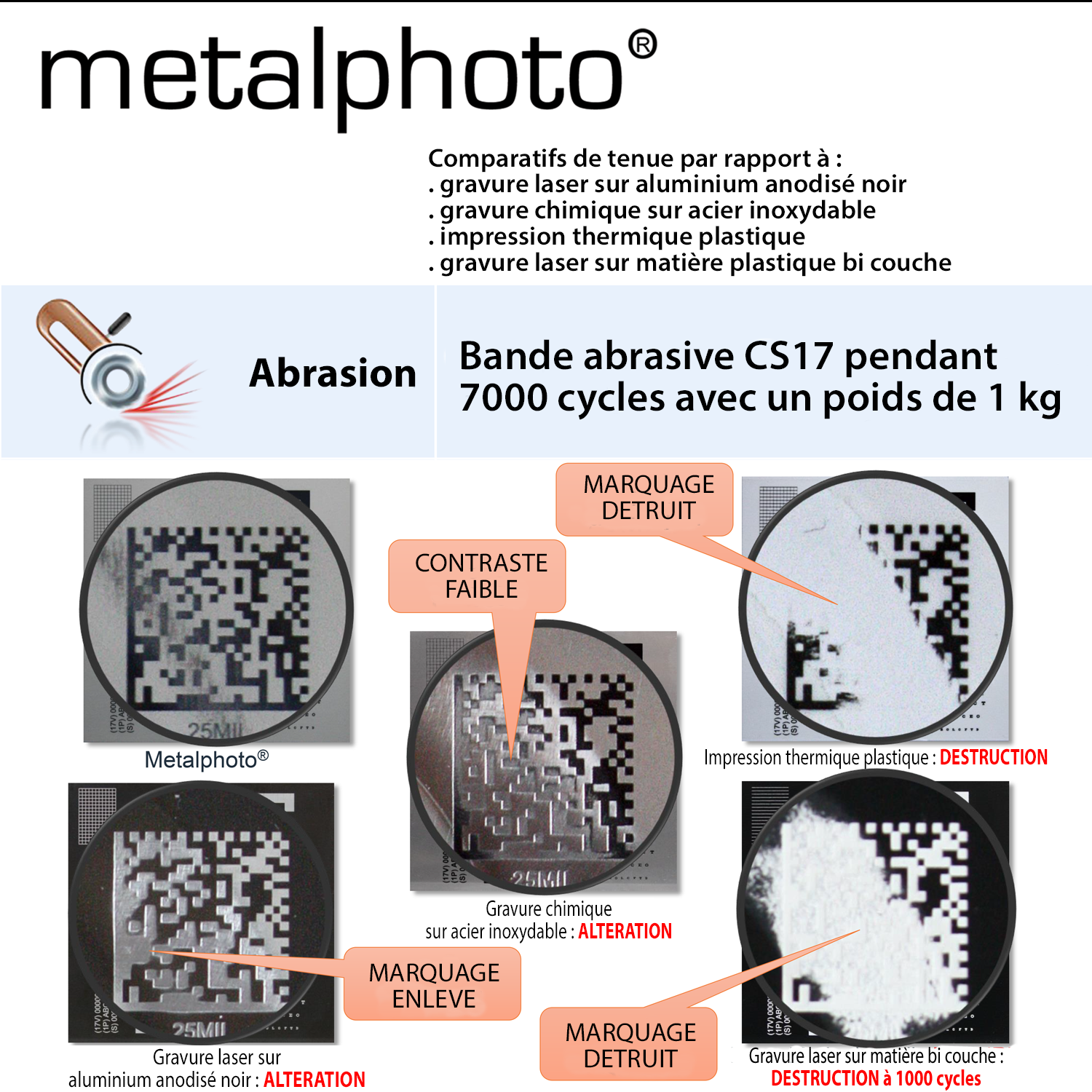
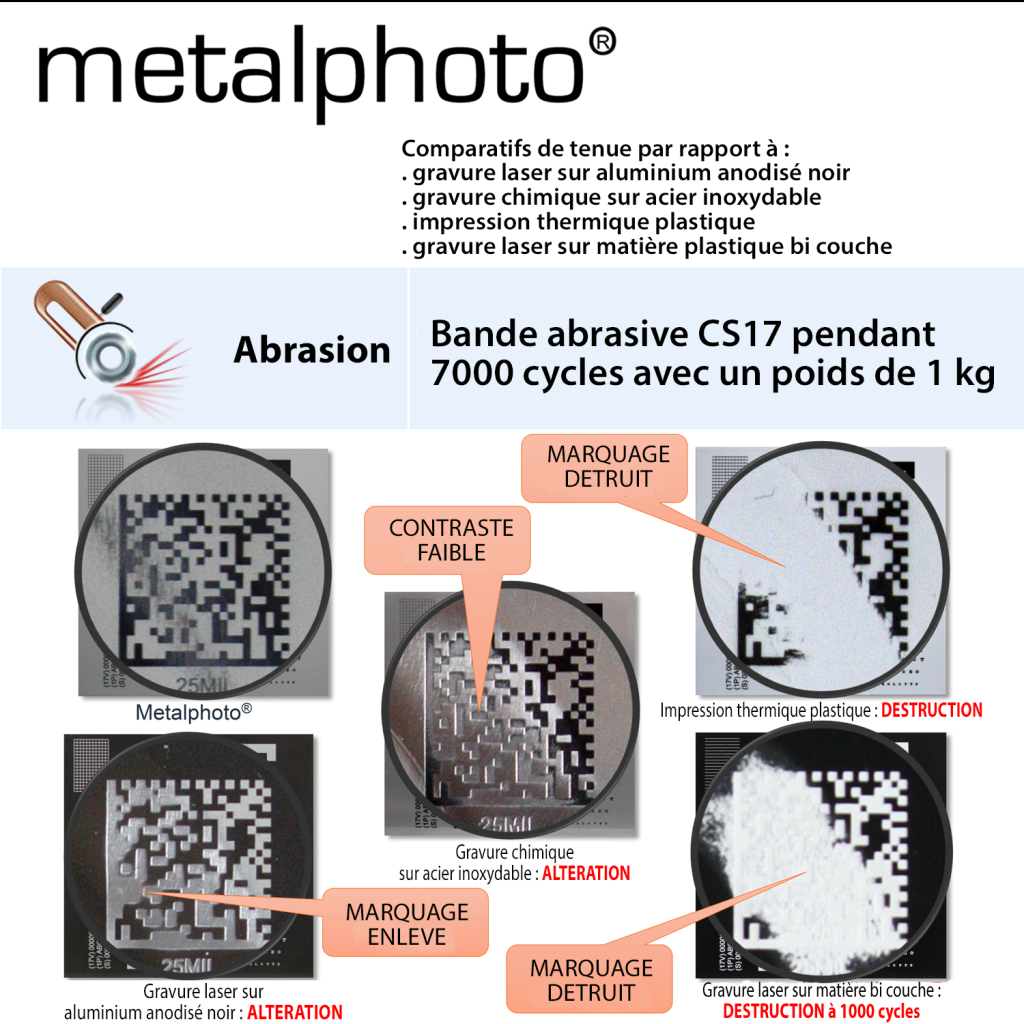
Abrasion resistance: A sander with a CS17 abrasive belt equipped with a one-kilo weight performed 7,000 cycles. Slight tarnishing of the Metalphoto surface, the image was not affected.
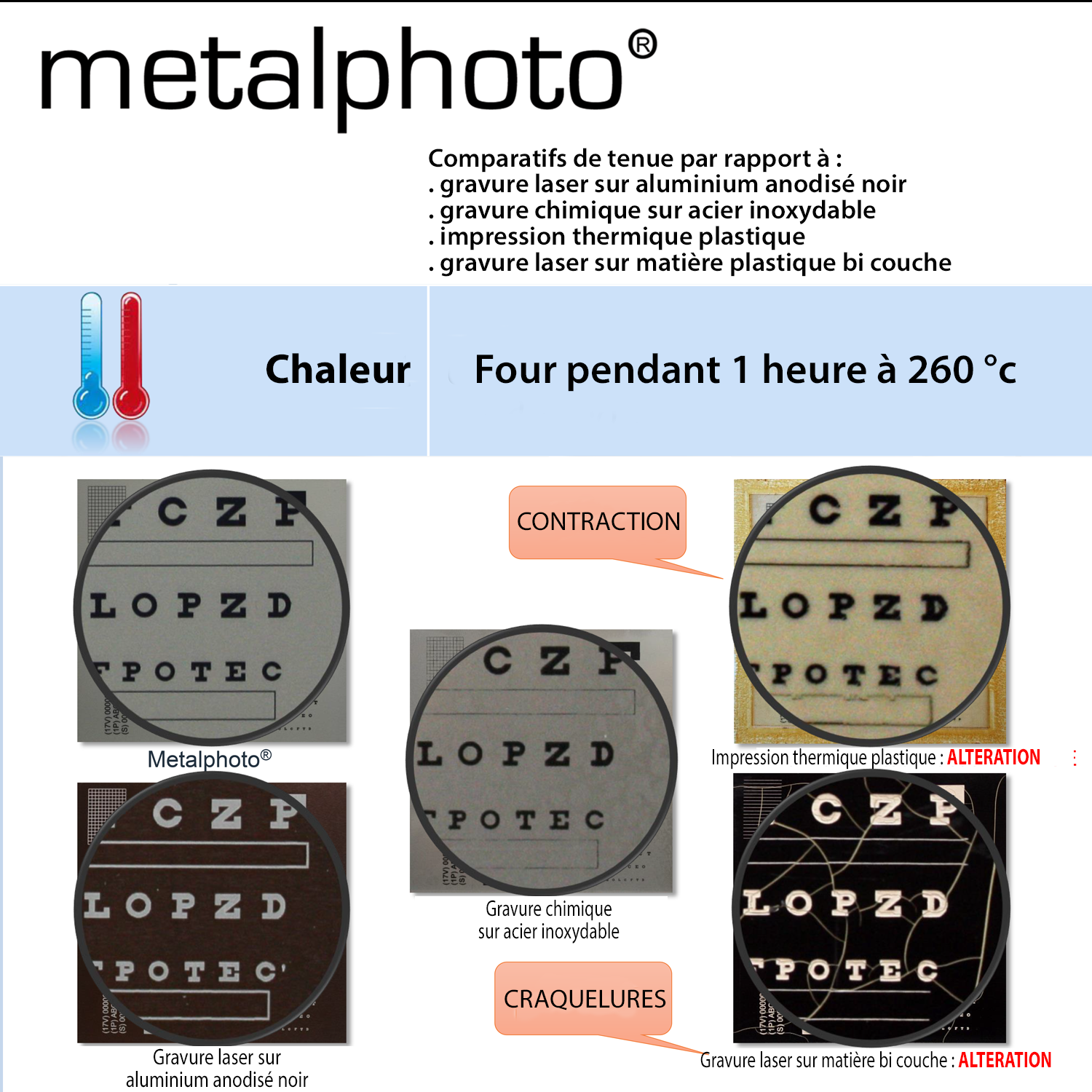
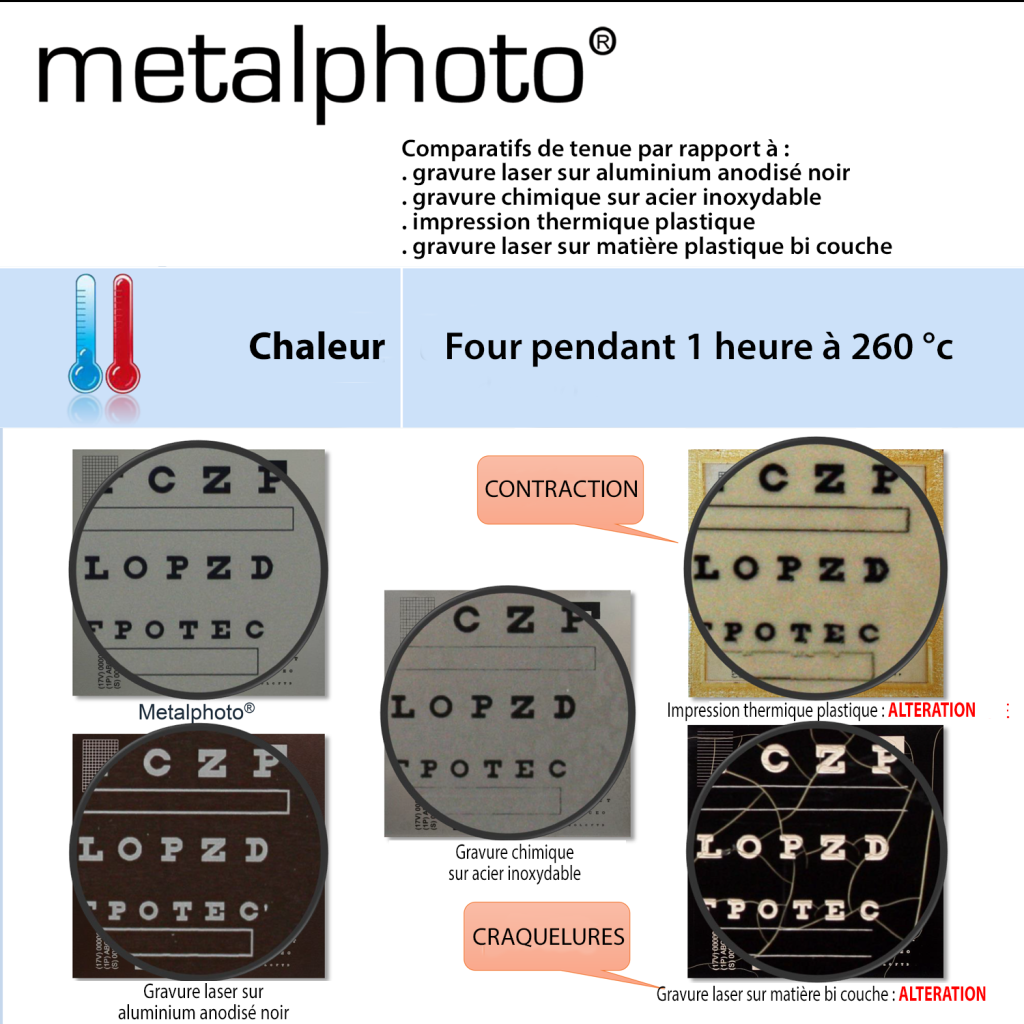
Temperature resistance: Standard Metalphoto is readable up to 260°C. In the intensified version, it is readable up to 425°C.
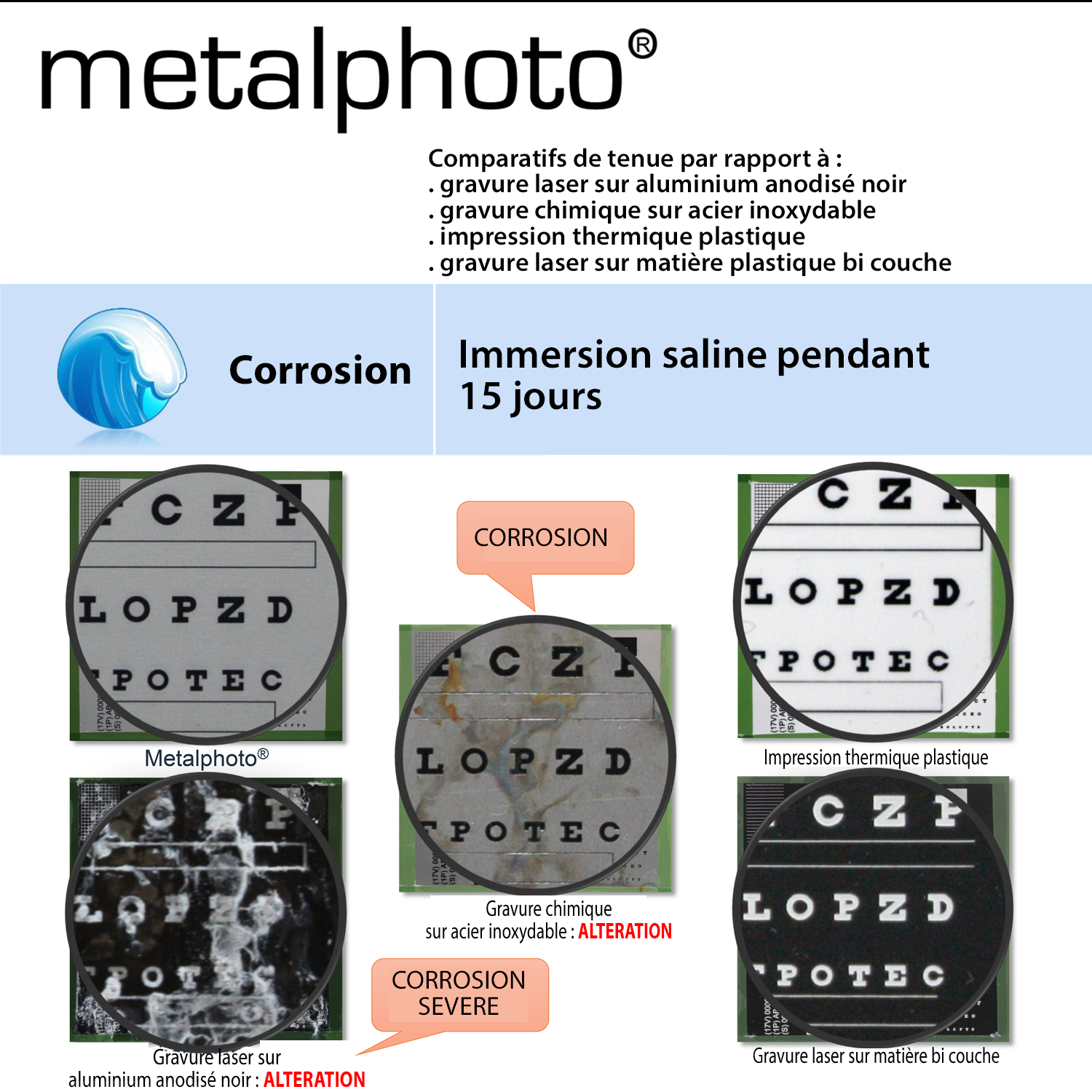
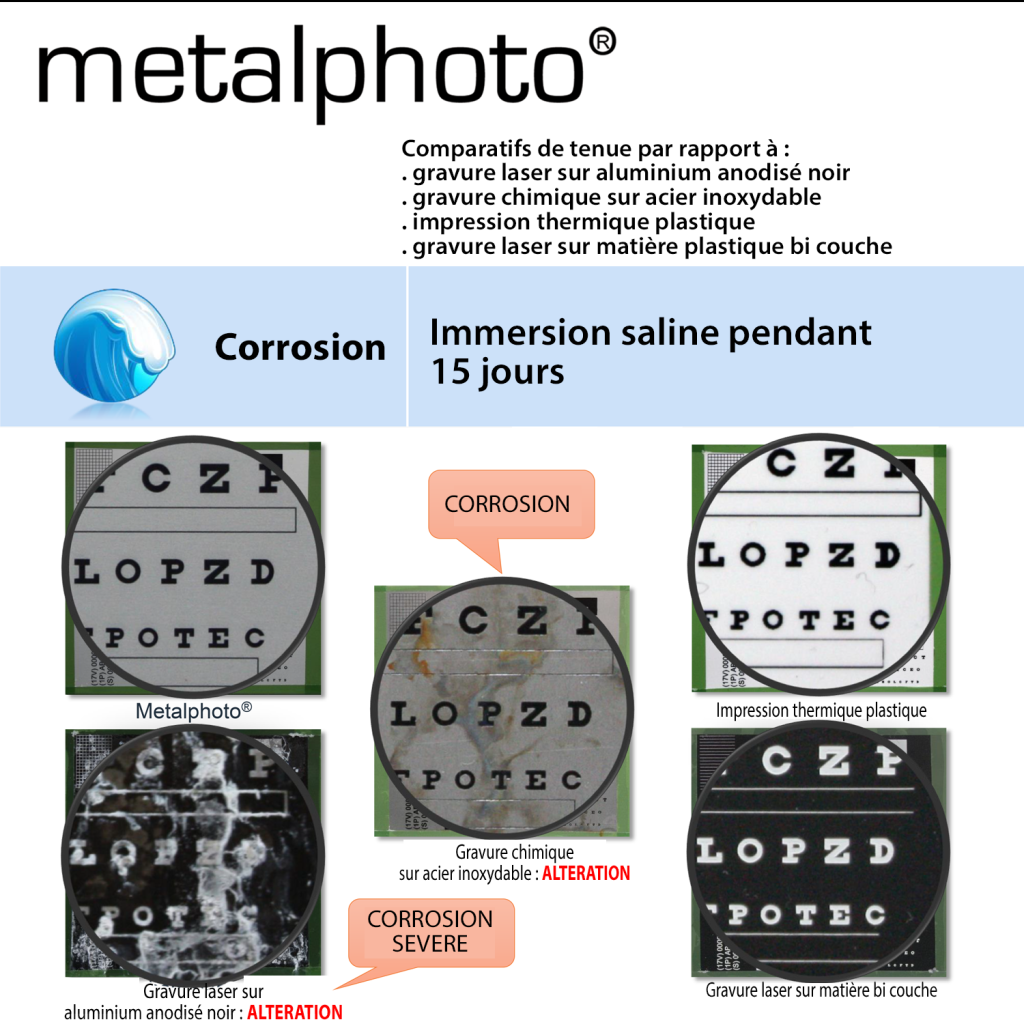
Corrosion resistance: Exposure to 5% salt spray at 35°C for 700 hours had no effect on the Metalphoto.
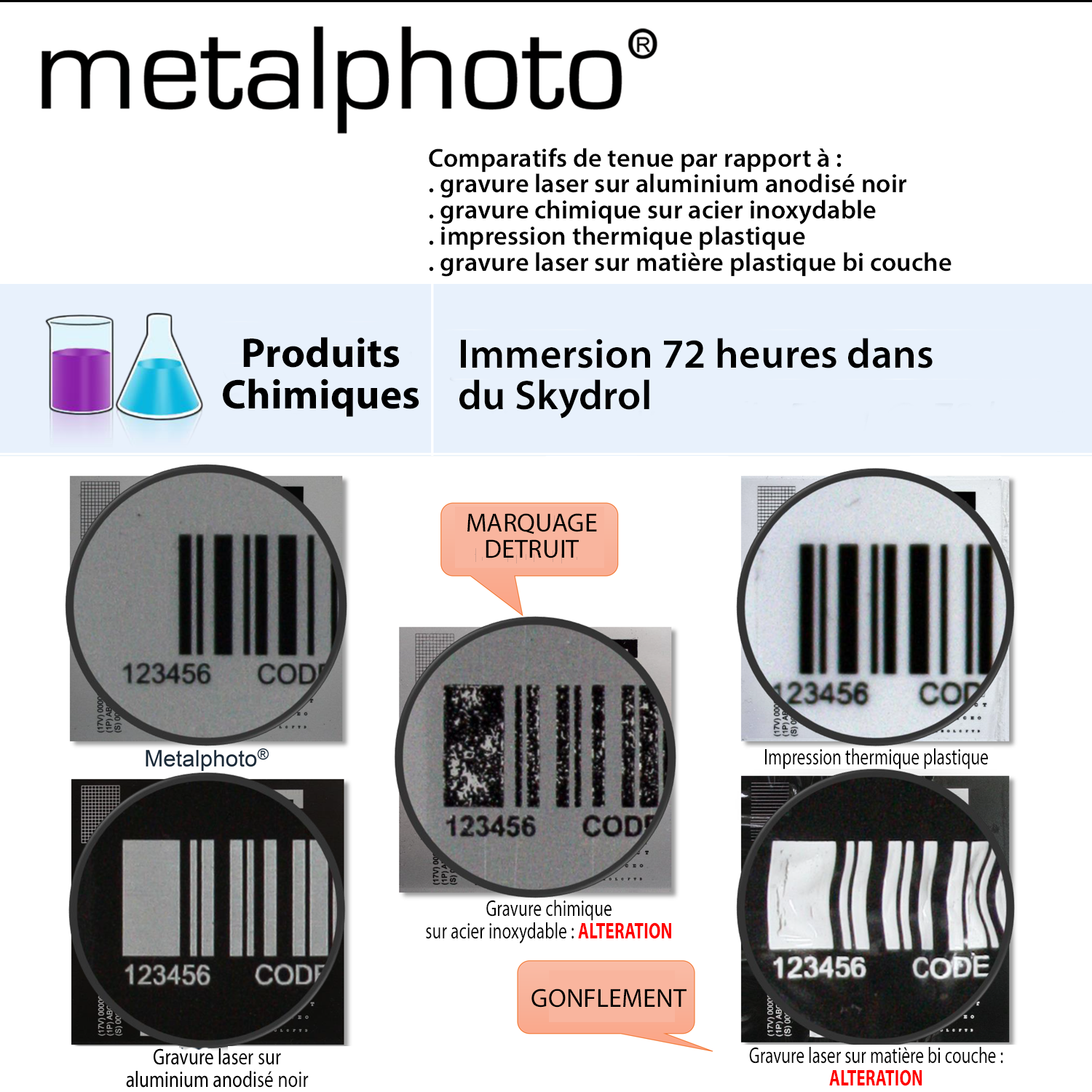
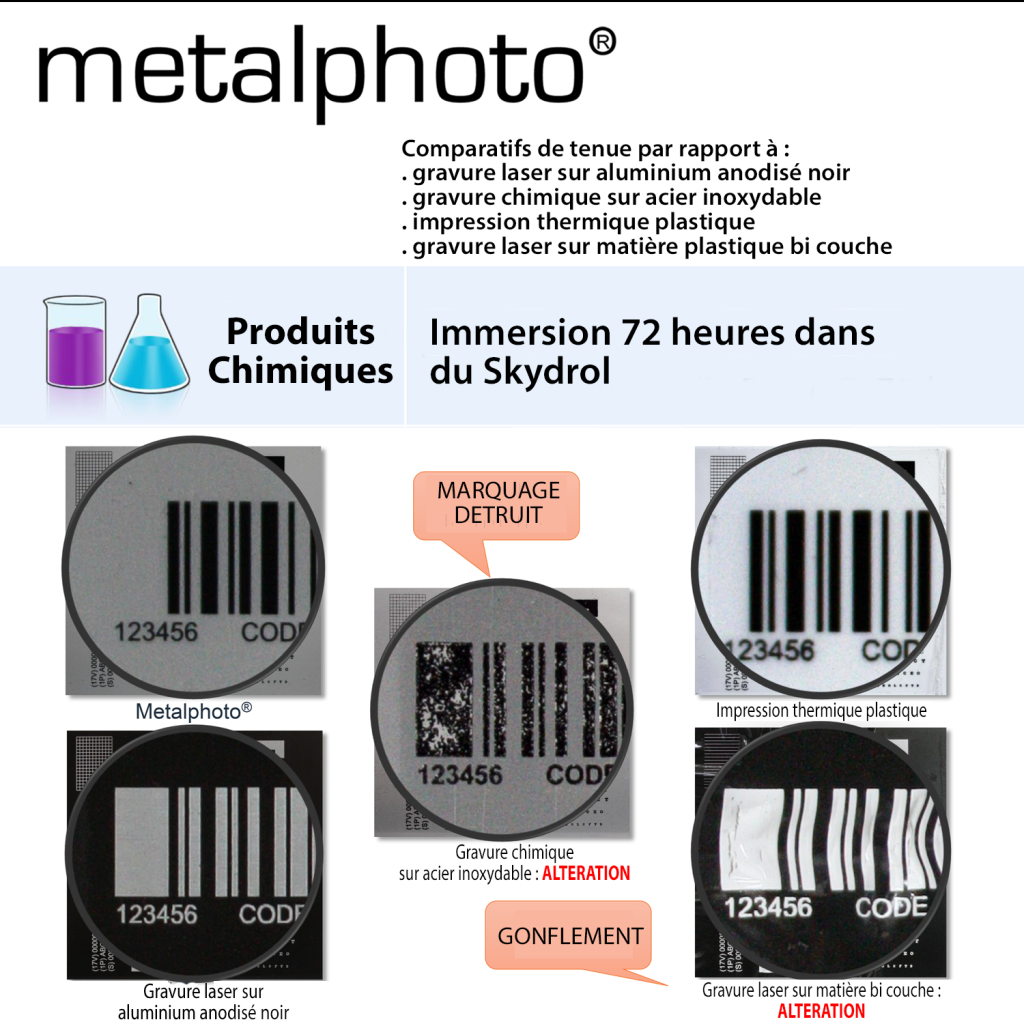
Chemical resistance: Metalphoto was immersed in a complete battery of chemicals at various temperatures for various durations, all with little to no effect.
Industrial and governmental approvals
– Underwriters Laboratories / file no. MH17767
– Canadian Standard Association / file no. 11133-1 – class no. 7921
– Federal specification GGP-455b, type I & II – grade A or B
Military approvals
– Mil-P-15024 F
– Mil-P-19834 B
– Mil-P-514 D
– Mil-A-8625 E
Equivalent DIN test standards
– DIN 50017 – corrosion resistance
– DIN 50021 – salt spray resistance
– DIN 50004 – Xenon aggression resistance
– DIN 50018 – resistance to saturated industrial atmospheres
– DIN 53387 – artificial aging radiation resistance
Accessories available with this product
Examples of applications using this product
Find out what this product can be used for.


FAQ on MetalPhoto
Why use MetalPhoto rather than another technique (chemical engraving, screen printing, mechanical engraving …)?
MetalPhoto is preferred over traditional techniques such as mechanical engraving, screen printing, or chemical etching when the application requires maximum durability, high precision, and flexible production, without significant setup costs.
Here are its main advantages:
- Exceptional Resistance
The image is integrated into the anodic layer of the aluminum and not deposited on the surface. The marking durably resists UV, corrosion, humidity, solvents, aggressive chemicals, and temperatures up to 400 °C. - Very High-Definition Precision
Thanks to its photographic process, MetalPhoto allows for the reproduction of fine texts, 2D barcodes, micro-texts, logos, and complex details with great clarity. - Cost-Effective from a Single Unit
No setup costs or heavy preparation. The implementation cost remains optimized for both single pieces and large series. - Simple and Reliable Process
Fast manufacturing, consistent quality, and high repeatability without requiring complex adjustments. - Durable and Recognized Solution
A process compliant with the highest industrial requirements, using 100% recyclable aluminum and adopted for over 50 years in demanding environments.
Comparative table of techniques:
What is the MetalPhoto range?
The range is exclusively composed of aluminum and is available in four main criteria to meet all needs, from flexible labels to high-resistance manufacturer plates.
The 10 available thicknesses
- From 0.08 mm to 3.2 mm in thickness.
The 4 surface finishes
- Satin
- Matte
- Glossy
- Brushed
Types of faces
- Single-sided (listed under Group 1)
- Double-sided (listed under Group 2), ideal for optimizing costs or for specific applications such as tokens or double-sided instruction plates.
The “Plus” version (Colored finishes)
For projects requiring a high-end aesthetic or institutional finish (medals, diplomas, prestige signage), the range includes colored variations:
- Gold
- Bright Gold
- Classic Gold
Is MetalPhoto difficult to implement?
The implementation process is simple, fast, and economical. Once your visual is printed on a transparent film, plate manufacturing comes down to 3 quick steps:
- Exposure (A few seconds): The plate and film are exposed together under a UV light source.
- Development (Automatic): The plate passes through a roller developer that automatically cycles through developer and fixer baths, followed by a rinse.
- Sealing (10 minutes): The plate is immersed in a tank of boiling water (). The aluminum pores close, permanently sealing the image into the metal.
It’s done! The plate is immediately ready for finishing operations (cutting, drilling, machining).
What environment is required to produce MetalPhoto?
To produce MetalPhoto plates, you do not need a complex industrial cleanroom; however, the workshop must imperatively comply with two major environmental conditions:
An actinic-safe room (Exposure and Development Zone)
Metalphoto is a highly photosensitive material before processing. The room where you handle, expose, and develop the plates must be protected from daylight and standard lighting.
- Lighting: The room must be equipped exclusively with safe light (yellow or red), similar to that used in traditional silver-halide photography laboratories.
- Objective: To prevent premature exposure or fogging of the aluminum’s sensitive layer before the key UV exposure step.
A Ventilated Sealing Area (Finishing Zone)
Sealing is the final step in the process. It involves immersing the developed plate in a tank of water with special salts, maintained at boiling temperature (). This operation closes the pores of the aluminum and permanently seals the image into the metal.
- Ventilation: The constant boiling of the tank generates a large quantity of water vapor. The area must therefore have an effective extraction/ventilation system (an extractor hood, for example) or be sufficiently spacious and airy.
- Objective: To prevent the accumulation of humidity, excessive condensation on the walls and equipment in the workshop, and to ensure a healthy working environment for the operator.
What standards does MetalPhoto comply with for its fields of application?
MetalPhoto is among the most recognized and certified marking materials for demanding applications. Its durability and performance allow it to meet the strictest industrial, regulatory, and military standards.
Below is a summary of the main standards and certifications for MetalPhoto, classified by application field:
Armaments, Defense & Aeronautics
Specified since 1958 by the U.S. Navy and integrated into major equipment (Abrams tanks, helicopters, Bradley vehicles), MetalPhoto is the absolute benchmark for military marking in extreme conditions.
- MIL-STD-130: Essential standard for the unique identification of US military items (IUID via barcodes).
- MIL-A-8625E: Military specification regarding aluminum anodizing.
- MIL-P-15024 F, MIL-P-514 D, MIL-P-19834 B: Military standards governing identification plates, signage, and military instructions.
- Federal Specification GGP-455 b : (Type I & II, Grade A or B) Defining the quality of photosensitive aluminum.
Medical & Surgical Sector
Metalphoto is ideal for sterile environments (control panels, sterilization containers) because its smooth surface does not harbor bacteria and withstands thousands of autoclave cycles.
- AAMI / CDV-1 ST79: 2010 / A2.06 : Comprehensive guide for steam sterilization and sterility assurance.
- FDA Amendments Act (2007) : Full compliance for the implementation of the Unique Device Identification system (UDI).
Marine, Logistics & Transport
Thanks to exceptional resistance to salt spray, UV rays, and marine abrasion, it outperforms traditional engraved stainless steel.
- ISO 6346 / BIC : International specification for the marking and identification of shipping containers (used notably by Hyundai Translead).
- Convention of Safe Containers Act (CSC) : Agrément pour les plaques de sécurité obligatoires sur les conteneurs.
Énergies Renouvelables & Industrie Minière
Conçu pour durer plus de 20 ans en extérieur sur des parcs solaires, éoliens ou dans l’environnement ultra-abrasif des mines souterraines (équipements Caterpillar / Bucyrus).
- MSHA Titre 30 (Parties 18.11 et 70.310) : Approbation officielle par l’organisme de sécurité minière américain pour les plaques d’homologation et schémas techniques sur les machines.
- OSHA 1910.145 & ANSI Z535.4: American safety standards for hazard signaling and accident prevention.
- National Electric Code (NEC) Article 690: Specifications for the identification of solar photovoltaic systems.
- ISO 3864: International standard for safety colors and signs.
Industrial Approvals & European Equivalents (DIN)
Beyond sector-specific applications, Metalphoto holds global safety and durability certifications:
Can color be produced in MetalPhoto ?
MetalPhoto allows for the production of images primarily in black and white. Thanks to its imaging grid, it offers photographic reproductions comparable to an analog photograph.r
As long as the plate has not been sealed (immersion in boiling water for approximately 10 minutes), the pores of the aluminum remain open.r
It is then possible to add color by screen printing or digital printing (solvent type).r
However, the exceptional durability of MetalPhoto mainly concerns black areas. Colored parts tend to deteriorate over time, depending on the nature of the dye and the shade used.
THERMOFLAN advantages
Over 60 years of experience
Permanent stock
Best quality/price ratio
Technical availability
Demandez conseil à nos experts
Comment pouvons-nous vous aider ?