






Voir toutes les actualités
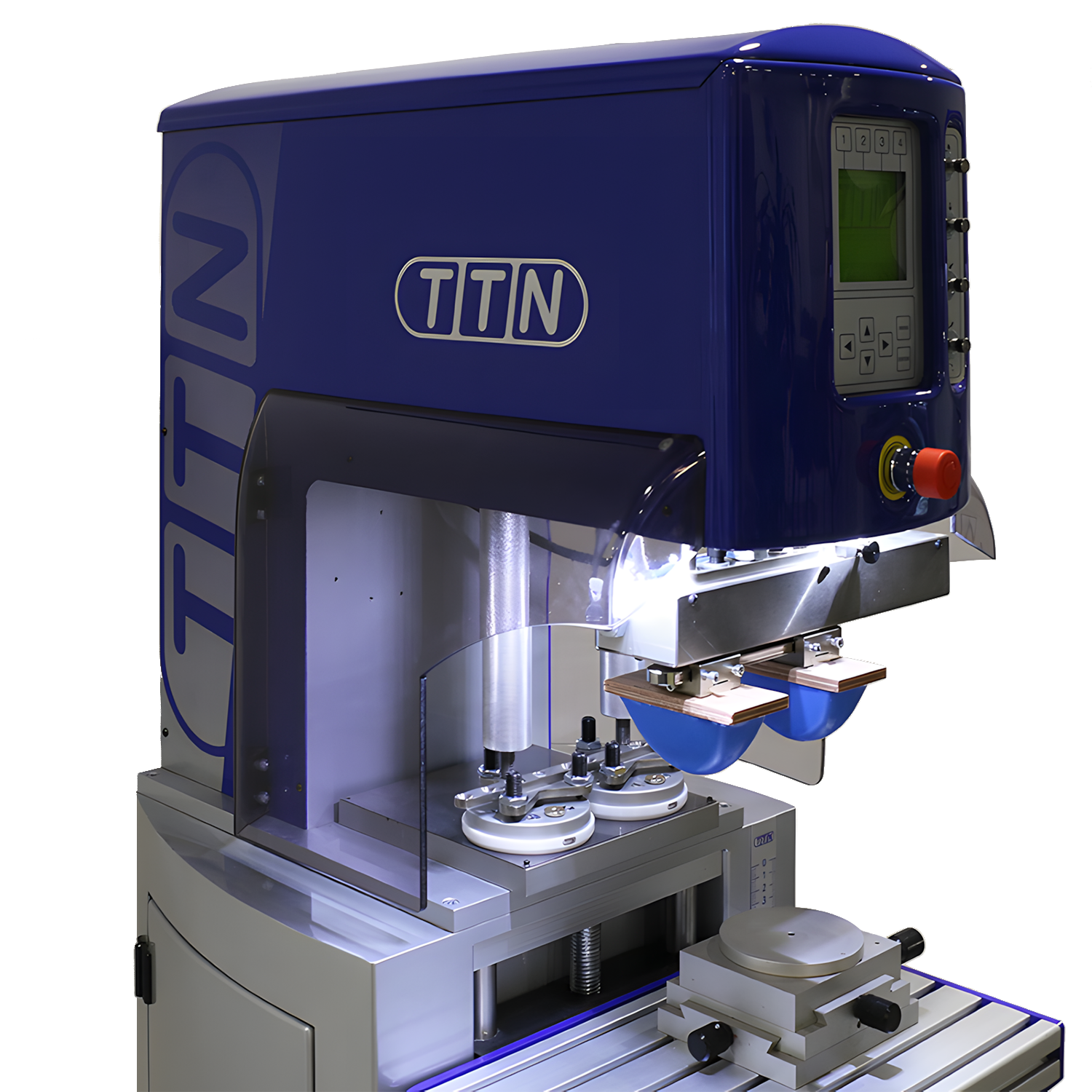
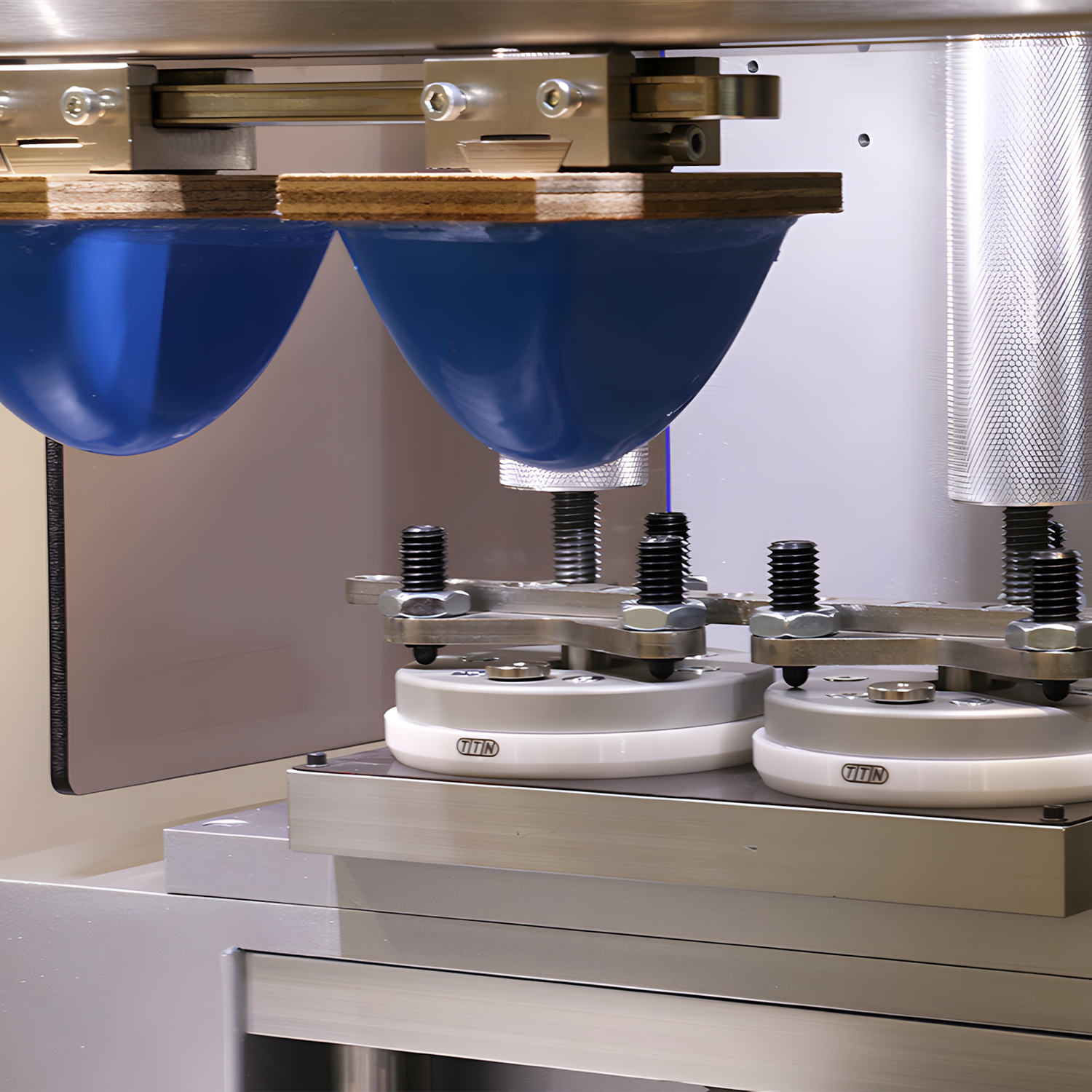
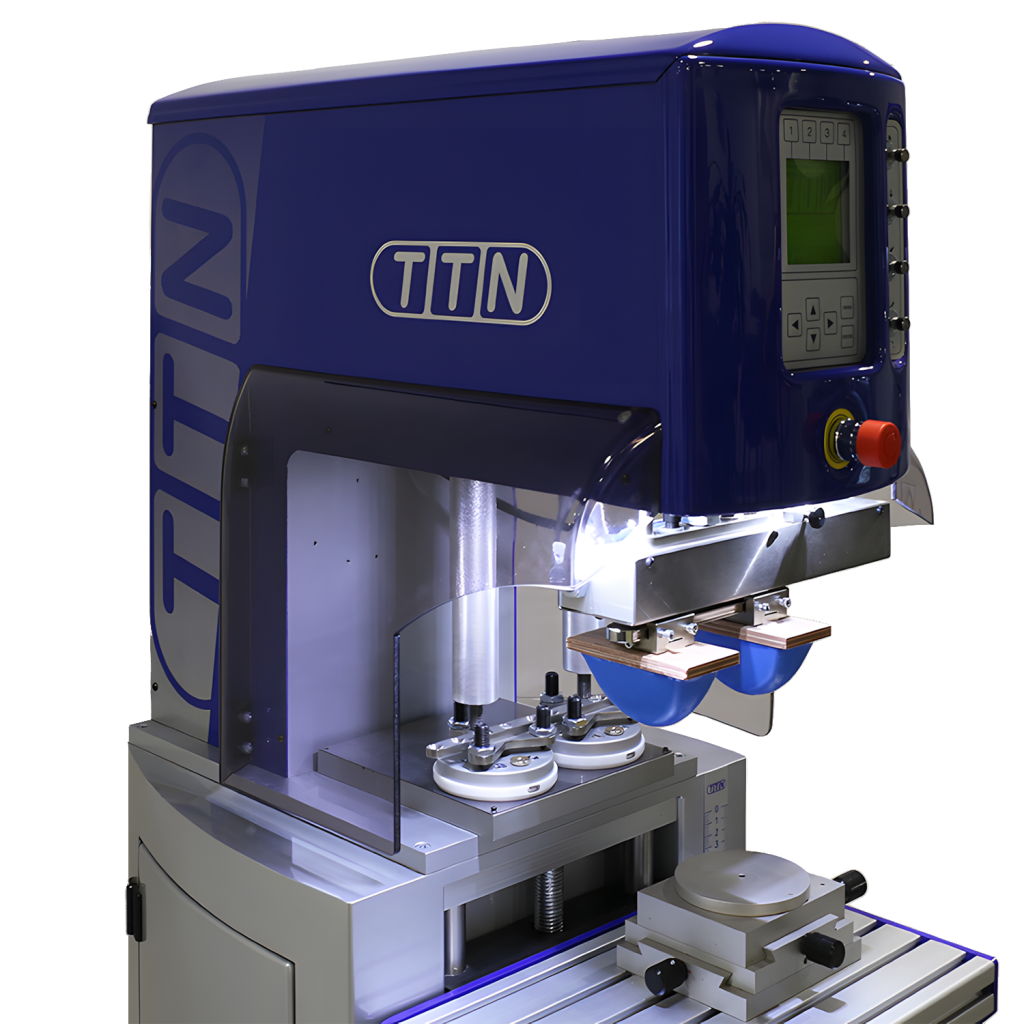
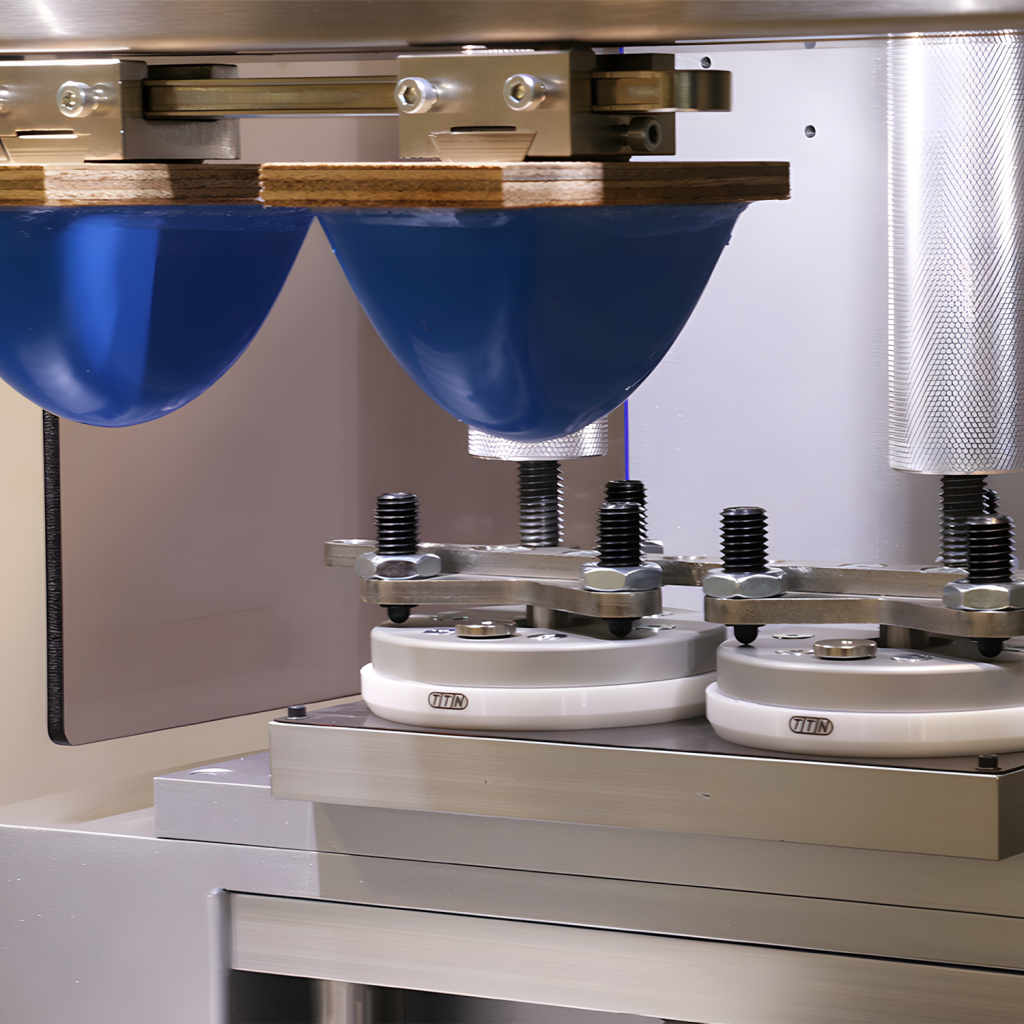
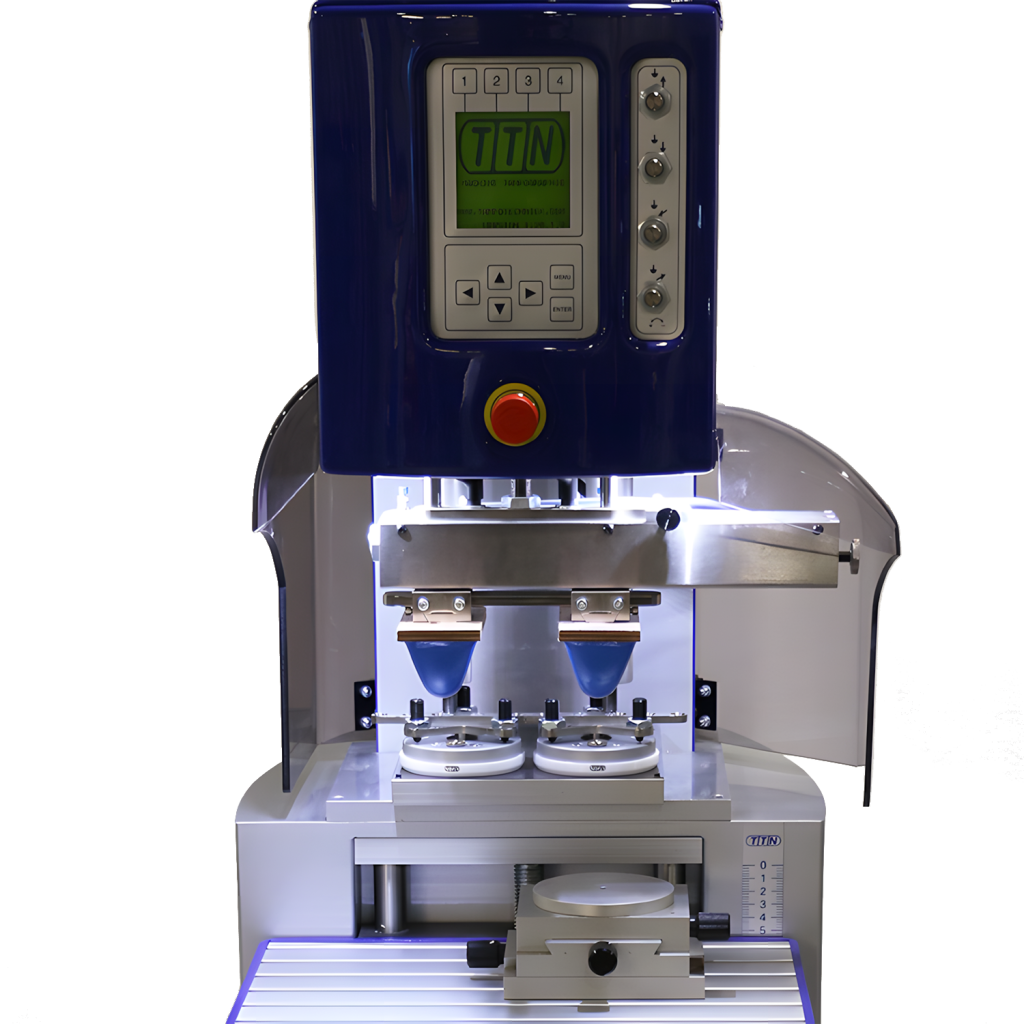
TTN 200 Series automatic pad printing machines
From: 15500 €
The TTN 200 EKO series automatic pad printing machines are high-tech solutions specifically designed for large-scale industrial marking. They offer high printing precision, which is essential for mass production, and ensure consistent quality in every cycle.
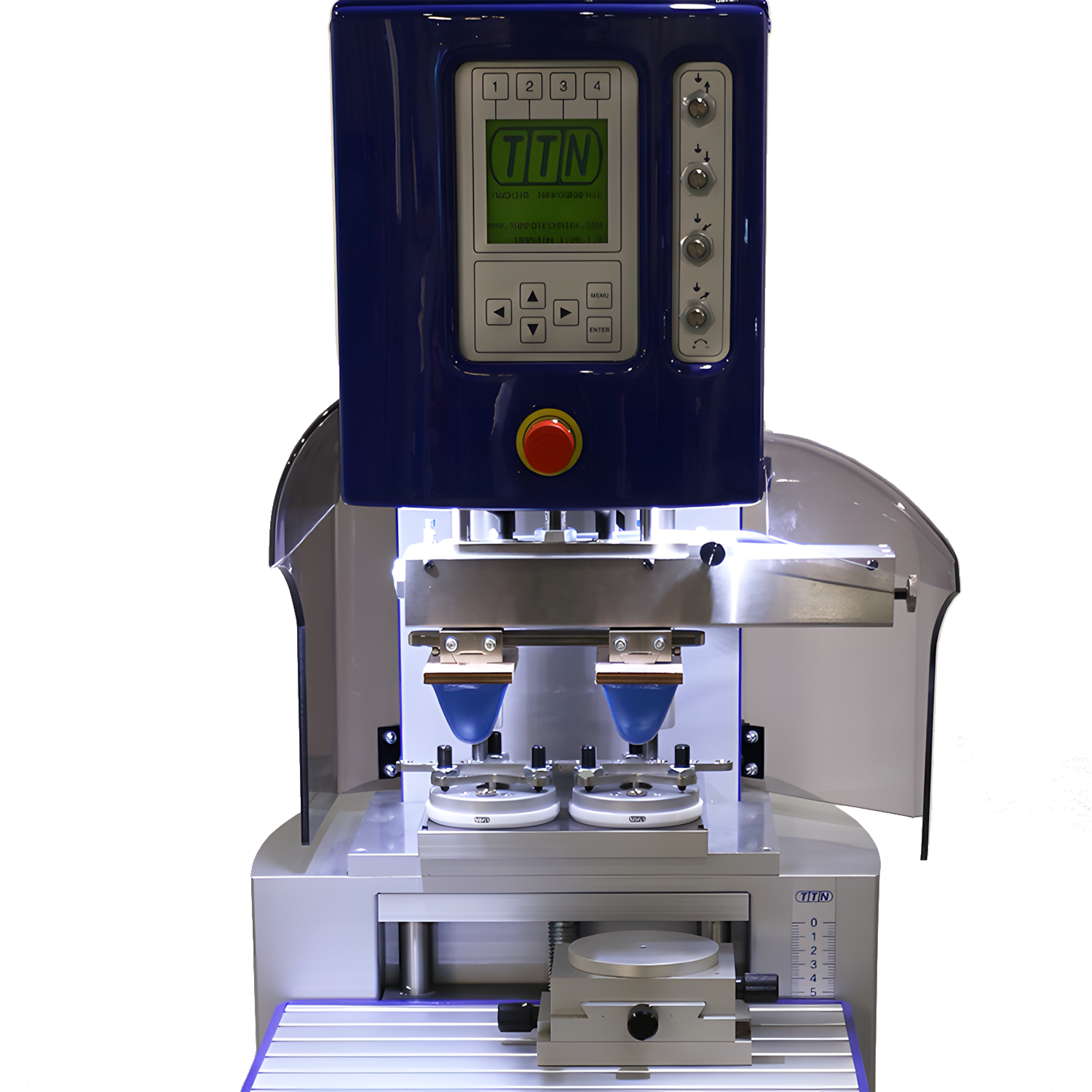
Equipped with an advanced electronic control system, these machines feature a bright LCD screen that displays all available functions in real-time, allowing for easy and intuitive management of all printing parameters.
They cater to a wide range of industrial applications, with marking capabilities for objects of various shapes and materials.
Thanks to advanced features such as programmable cycle counters, automatic pause for plate cleaning, and fine-tuning of the pad stroke, this equipment ensures efficient production and consistent quality, even in long production runs.
Number of colours:
Une couleur
Multicouleurs
Shape:
Forme complexe
Forme relativement plane
Forme cylindrique
Quantity:
Series
Materials:
Discover...
Technical sheet
TTN 200 series pad printing machines incorporate durable materials, high-quality components, and advanced systems to deliver optimal performance.
They combine cutting-edge technologies in electronic control, mechanics, and pneumatics, with components supplied by industry leaders such as Festo, SMC, and Parker to ensure reliability and precision in demanding production environments.
They feature a new generation control panel:
– Large illuminated LCD screen. All available functions are displayed in real time.
– For each selected function, a menu indicates what you need to do or which buttons to press to operate the machine correctly.
– 4 keys in the upper part of the keyboard provide direct access to the requested function.
– Continuous display of the working mode (automatic or single cycle, etc.) in the lower part of the screen.
– Ability to program 25 different settings. All programmed parameters can be stored and named.
– All settings can be adjusted while the machine is running.
– Programmable up/down counter: When the programmed value is reached, the machine stops automatically.
– Pause function: When this function is activated, the machine automatically cleans the plate at regular intervals to prevent the ink from drying.
– Numerous printing options: 1 x ink pickup, 1 x print – 2 x ink pickup, 1 x print – 1 x ink pickup, 2 x prints – 2 x ink pickup, 2 x prints.
– The control includes an electronic timer that allows the ink on the pad to dry for a few seconds.
Features:
Range
TTN 200 EKO TE Oval
TTN 200 EKO 2 TC
TTN 250 EKO 3 TC
TTN 300 EKO 3 TC
TTN 300 EKO 4 TC
Plate size
200*200 mm
200*200 mm
250*175 mm
200*300 mm
300*175 mm
Plate type
Photopolymer
Steel
Number of colors
1
2
3
3
4
Inkcups
90*190 mm ceramic
2 x 90 mm ceramic
3 x 65 mm ceramic
3 x 90 mm ceramic
4 x 65 mm ceramic
Maximum marking diameter
80*180 mm
80 mm
55 mm
80 mm
55 mm
Cycles per hour
1600
Pad pressure
750 Newtons (at 6 bar)
750 Newtons (at 6 bar)
750 Newtons (at 6 bar)
1200 Newtons (at 6 bar)
1200 Newtons (at 6 bar)
Control
Electronic
Electrical connection
115V or 230V, 50/60 Hz
Drive
Pneumatic
Air connection
6-8 bar
Pad stroke
0 to 125 mm adjustable
Dimensions
700*360*510 mm
700*360*510 mm
700*360*510 mm
700*360*510 mm
700*360*510 mm
Weight
65 kg
65 kg
65 kg
65 kg
65 kg
XY table
Included
Options
Table or high stand
Pad cleaning system
Conveyor
Accessories available with this product
Examples of applications using this product
Find out what this product can be used for.

Goodies & Promotional items

Automotive, Military & Aeronautics

Wellness & Cosmetics
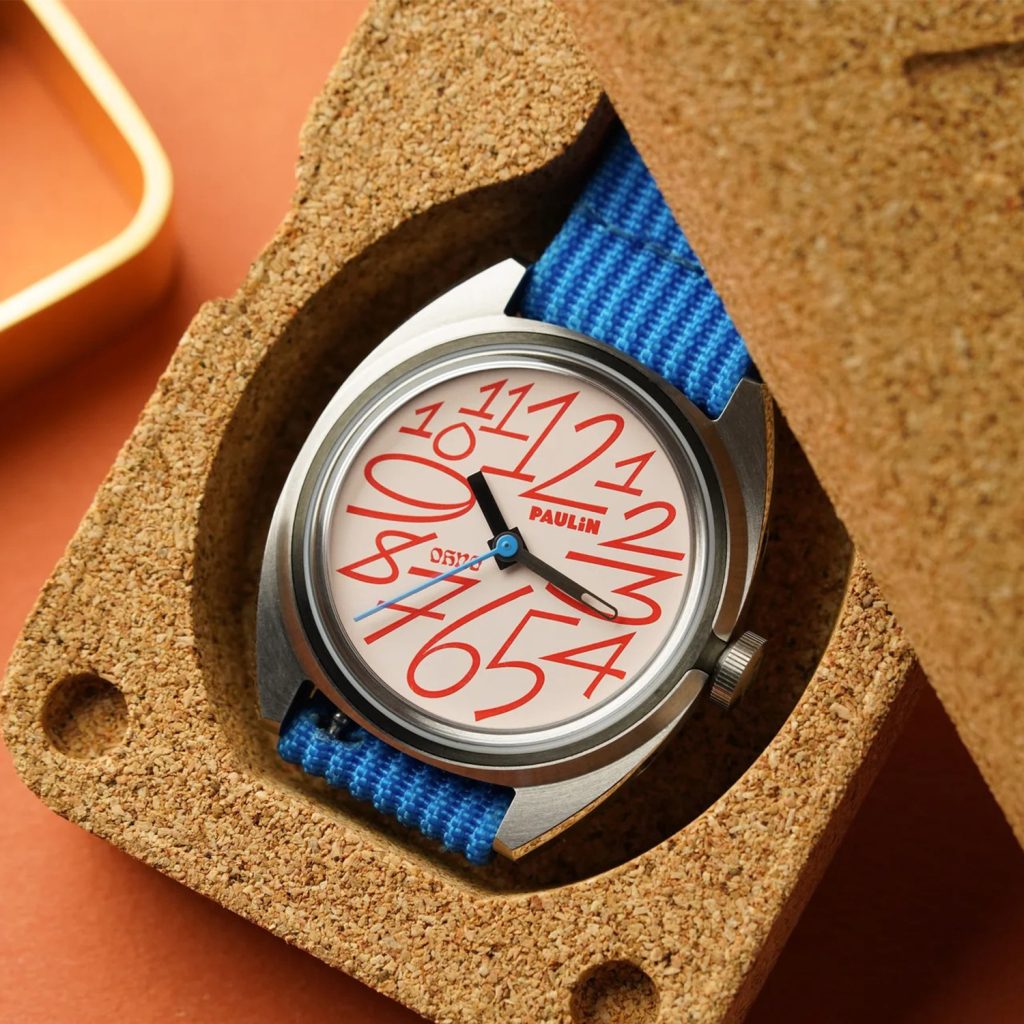
Jewelry & Watchmaking

Knives & Weapons

Electronics & Technology

Industry, Tools & Metalworking

Recreational & Educational

Nature, Sport & Leisure

Optics & Eyewear

Healthcare, Medical & Laboratory
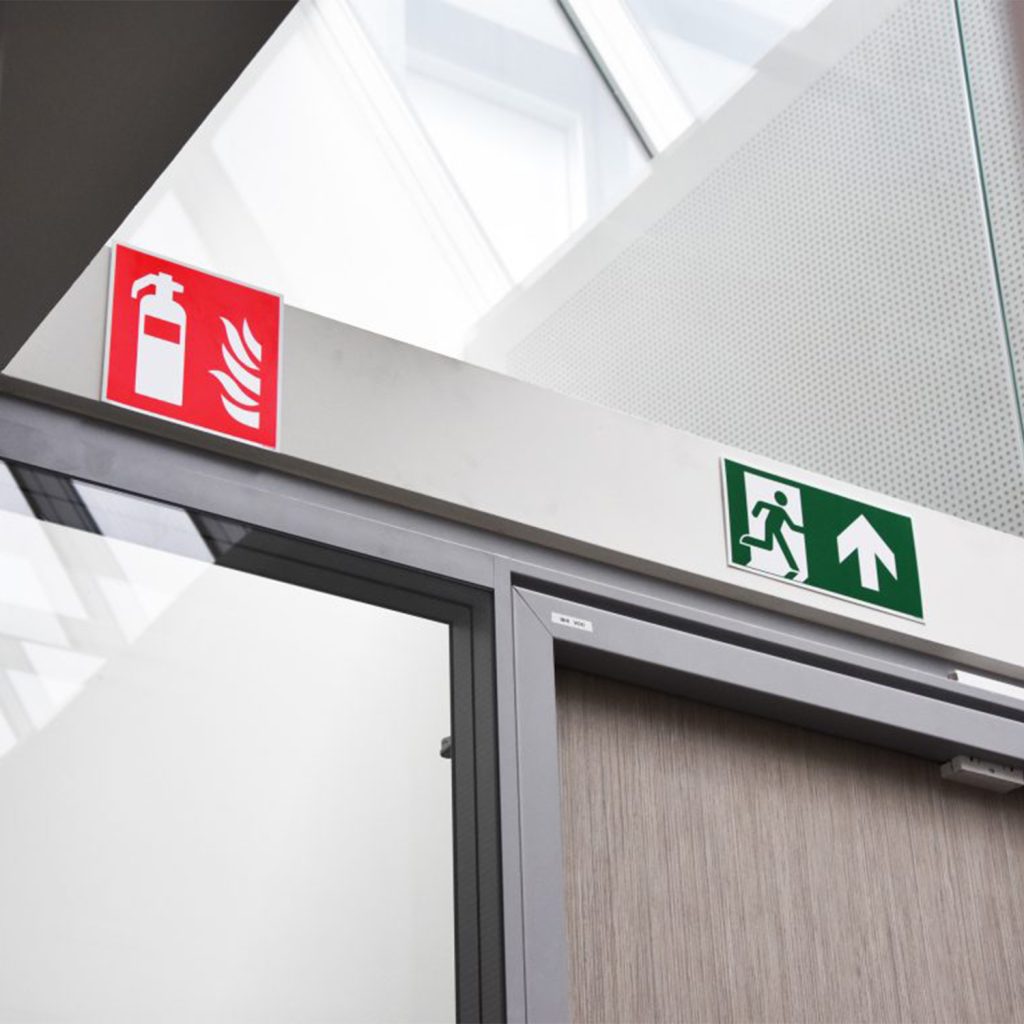
Security, Access & Identification

Textile, Fashion & Accessories
FAQ on TTN 200 Series automatic pad printing machines
What are the benefits of pad printing?
Pad printing is a precise and economical marking technique, particularly suited for small objects, complex shapes, and irregular surfaces.
- High precision: ideal for logos, fine texts, and complex details.
- Marking on complex shapes: allows printing on curved, domed, hollow, or irregular surfaces.
- Wide material compatibility: plastic, metal, glass, wood, ceramic, etc.
- Economical for series production: low marking cost for medium and large productions.
- Excellent print quality: sharp rendering with good marking consistency.
- Suitable for small objects: perfect for pens, caps, industrial parts, promotional items, and technical components.
What are the limitations of pad printing?
Pad printing is very versatile, but it does have some limitations:
- Limited maximum surface area: suitable for small to medium-sized objects, the marking diameter is limited by the ink cup size.
- Restricted number of colors: limited by the number of ink cups installed (e.g., 2 ink cups = 2 colors). To go beyond this, successive re-printing is possible, provided ultra-precise repositioning of the parts.
- Irregular or textured substrates: overly pronounced reliefs can hinder ink transfer.
- Reduced speed for complex series: objects requiring multiple colors or steps can slow down production.
- Limited finishes: less suitable for gradients or complex photo prints compared to UV or digital printing.
Volume logic (the cliché/plate):
- This process requires the manufacturing of an intaglio plate engraved by insolation.
- Economically, this step directs pad printing towards medium and large series.
Amortization of fixed costs:
- The larger the series, the lower the unit cost.
- Example: a 15 € plate costs:
- 1.50 € / piece for a series of 10 objects
- 0.15 € / piece for a series of 100 objects
- Example: a 15 € plate costs:
What are the steps in pad printing?
Pad printing follows a precise process allowing a visual to be reproduced on many types of objects:
r
r
- r
- Graphic Preparation: creation of the visual using vector drawing software or DTP (Illustrator, InDesign…), with color separation (one color = one plate).
- Plate Manufacturing:r
- r
- Digital Technology: direct and precise engraving of the plate using a fiber or CO₂ laser.
- Analog Technology: printing a transparent film, UV exposure of the photopolymer plate through this film, development, drying, and post-exposure for stabilization.
r
r
r
- Setup and Inking: preparation of ink mixtures, filling of ink cups, and mounting of plates on the machine heads.
- Inking and Image Pickup: the ink is deposited into the engraved areas of the plate and picked up by the silicone pad.
- Transfer to Object: the pad deposits the ink onto the surface to be marked, even if it is curved or irregular.
- Drying: the ink dries naturally or with the aid of an appropriate drying system depending on the application.
- Production: fine adjustment of positioning and initiation of substrate marking to obtain precise and repeatable results.
r
r
r
r
r
r
r
r
What are the pad printing production rates?
Pad printing production rates by series:
- Manual : ideal for small batches or prototypes, approximately 100 to 500 pieces/hour, depending on the complexity and size of the objects.
- Semi-automatic (Universal) : a compromise between productivity and flexibility, approximately 500 to 1,000 pieces/hour. Part positioning is ensured by the operator and varies according to the size, shape, and number of colors to be marked.
- Automatic : designed for large series and intensive production, up to 5,000 pieces/hour or more. In a fully automatic configuration, the production rate directly depends on the automation system and its design, as well as the number of colors and the complexity of the marking.
Can the pad-printed product be used immediately?
The pad-printed product can be handled quickly, but the drying time depends on the substrate and the type of ink used.
- Fast Plastics: Certain materials like ABS allow for very rapid drying. The marking is dry to the touch in 2 to 3 seconds, and the product can be immediately packaged. However, full mechanical and chemical resistance (abrasion, solvents, etc.) is only achieved after a few hours of stabilization.
- Usage Precaution: Avoid rubbing or intensive handling before the ink is completely stabilized to ensure its durability.
- Slower Substrates: Materials like glass or metal generally require a longer drying time, often 48 to 72 hours.
- Drying Acceleration: Using an oven or high-temperature drying can reduce this time.
What are the advantages of the Pro pad printing range?
The Pro range in pad printing is designed to meet the demands of advanced industrial production, offering a high level of flexibility and integration.
- Advanced Automation: allows for complete integration into automated production lines.
- Open Architecture: features industrial inputs/outputs (I/Os) facilitating communication with external equipment.
- High Production Capacity: suitable for high speeds and intensive production runs.
- Marking Versatility: manages 1 to 6 colors for complex and multi-layer markings.
- Customization: specific design possibilities according to specifications.
- Peripheral Equipment Integration: control of systems such as conveyors, rotary tables, indexers, or surface treatments.
- Industrial Reliability: robust components suitable for continuous operation in demanding environments.
- User-Friendly: access to all essential functions via an intuitive human-machine interface, based on pictograms and available in French.
- Scalable: allows for the addition of accessories and options such as increasing the number of colors, automatic pad cleaning system, corona treatment, or in-line production integration.
- Integrated Print Controller: thanks to the available inputs/outputs, all these peripherals can be controlled directly from the control system.
Why choose Thermoflan pad printing equipment and consumables?
Choosing a complete Thermoflan solution means benefiting from a coherent set that combines equipment, inks, consumables, and technical support.
Our solutions are designed to allow you to produce quickly, sustainably, and with truly operational support.
- Guaranteed compatibility and performance
Our equipment and consumables are selected and validated to work together.
This mastery of the entire chain allows for simpler settings, consistent marking quality, and better control of operating costs. - Faster and more efficient after-sales service
Using our inks and consumables allows us to intervene more easily in case of technical difficulties.
Our teams know precisely how the products used behave and can quickly assist you with settings, printing parameters, or production issues. - Faster startup and increased productivity
Thanks to our experience in pad printing, you become operational more quickly.
We help you get to grips with the equipment and optimize parameters to limit trial and error and save time. - Proximity and French expertise
Some of our equipment is designed and manufactured in our company in France.
This proximity allows us to ensure responsive technical support and long-term follow-up of your installation.
Choosing Thermoflan means choosing a single point of contact capable of supporting you with equipment, consumables, and technical support alike.
THERMOFLAN advantages
Over 60 years of experience
Permanent stock
Best quality/price ratio
Technical availability
Demandez conseil à nos experts
Comment pouvons-nous vous aider ?