





Voir toutes les actualités




UV Pro
From: 12835 €
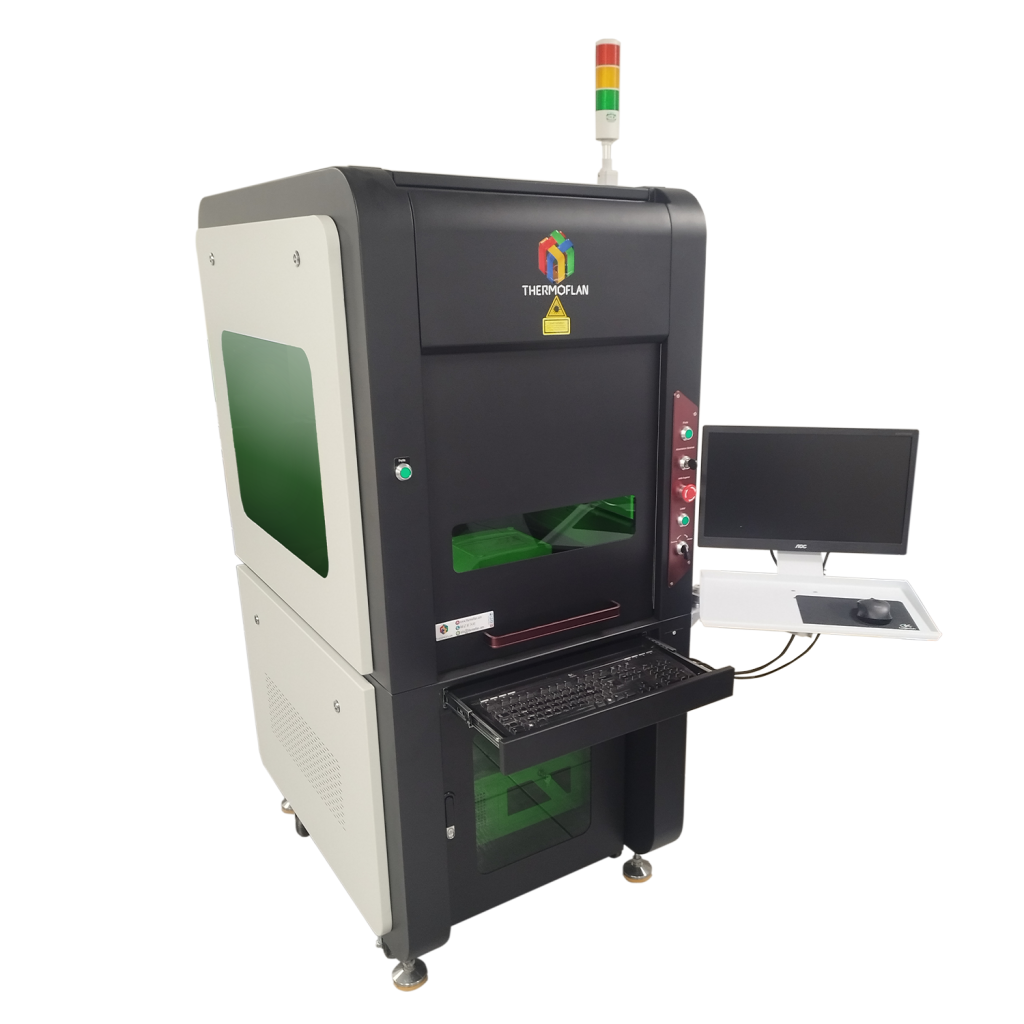
The UV Pro laser is an autonomous marking solution, integrating a high-precision UV laser source, controlled by an industrial PC and advanced engraving software.
Designed to meet the demands of intensive production environments, it allows for the processing of large parts thanks to a robust and modular structure, which can accommodate options such as a pass-through table or an adjustable Z-axis.
Equipped with a high-performance galvanometer head, the UV Pro ensures fast, clean, and extremely precise marking, perfectly suited for applications requiring fine, high-speed engraving.
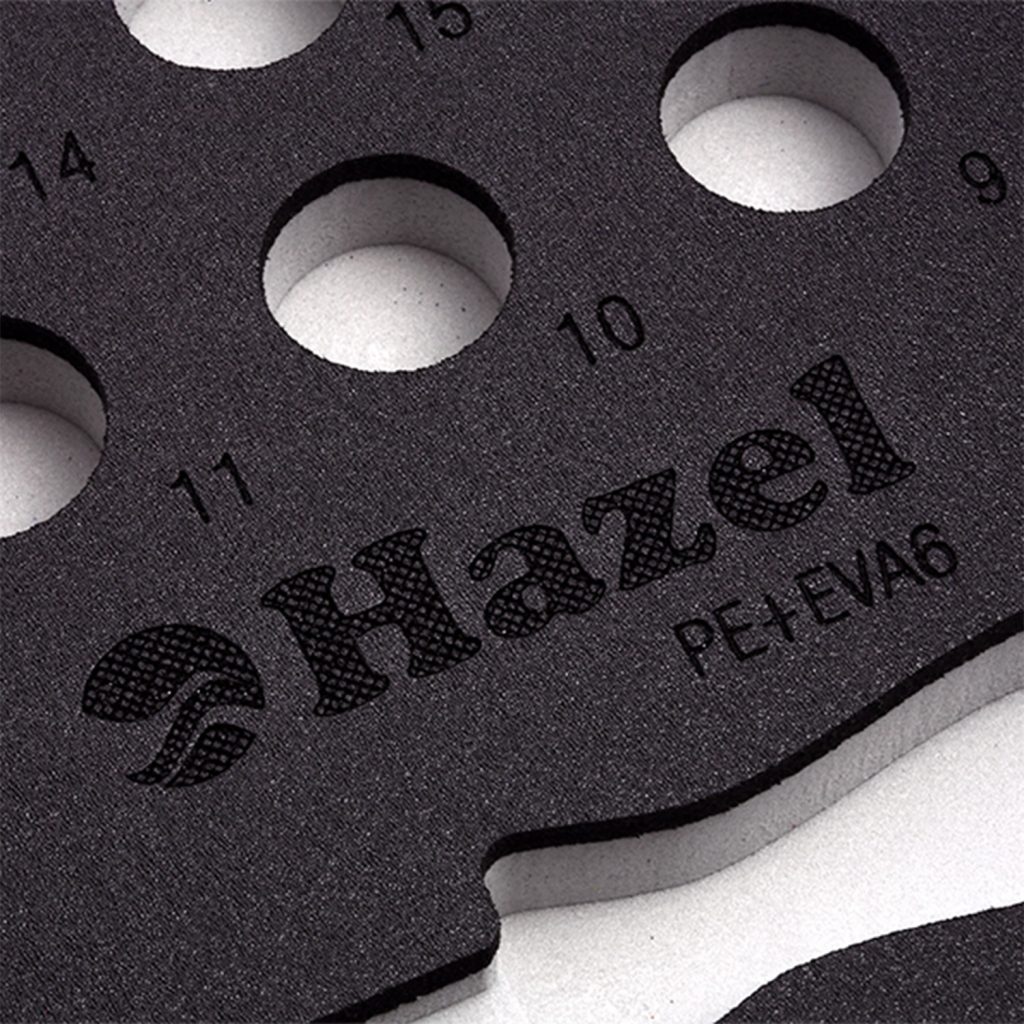
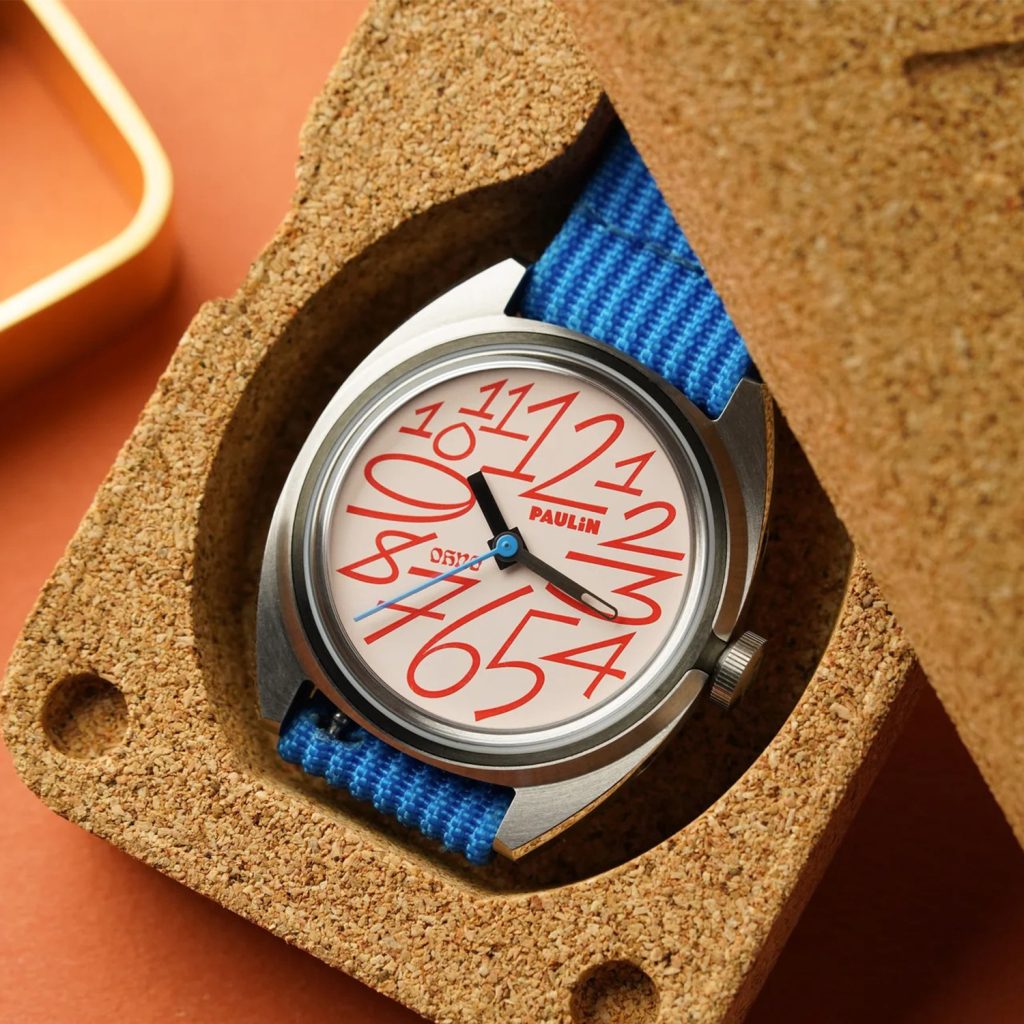
Its low-heat technology makes it particularly suitable for marking sensitive materials such as glass, ceramic, certain plastics, or metals, while minimizing the risk of damage or degradation to the parts.
This system combines industrial reliability with optimized productivity, thanks to its large work surface and high marking speed, ensuring consistent quality even during intensive production.
Number of colours:
Une couleur
Shape:
Forme relativement plane
Forme cylindrique
Quantity:
Single
Series
Materials:
Technical sheet
The UV Pro laser stands out for its advanced technical performance, designed to ensure optimal precision, high reliability, and seamless integration into industrial environments. Its main features are as follows:
– High-performance galvanometer head, allowing marking speeds of up to 7000 mm/s with a precision of ±0.001 mm.
– Water cooling, ensuring optimal thermal stability during intensive or prolonged use.
– Focusing system with three red pointers for manual adjustment, or automatic autofocus (optional).
– Integrated UV preview, allowing for marking simulation before engraving for precise positioning.
– Maintenance-free design, requiring only periodic cleaning of the lens.
– Production-oriented engraving software, integrating advanced functions such as automatic incrementing, connection to databases (CSV), and generation of QR codes, barcodes, or Datamatrix.
– Available in several laser powers to meet specific marking needs on sensitive or technical materials.
Features:
Laser tube
UV Laser
Tube power
3 W – 5W – 10 W – 15 W – 20 W – 30 W
Galvanometer head speed
7000 mm/sec. precision and repeatability +/- 0.01 mm
Maximum workpiece size
530 * 400 mm / Pass-through table option available for large parts
Lens type / Marking area / Workpiece height
F100 / 70*70 mm / Max workpiece height 380 mm
F160 / 110*110 mm / Max workpiece height 310 mm
F210 / 150*150 mm / Max workpiece height 250 mm
F254 / 175*175 mm / Max workpiece height 210 mm
F330 / 210*210 mm / Max workpiece height 150 mm
F380 / 250*250 mm / Max workpiece height 70 mm
F420 / 300*300 mm / Max workpiece height 30 mm
Z-axis
500 mm or 650 / 750 mm optional
Marking position simulation via pointer
A UV diode simulates the marking path on the workpiece
Motorized Z-axis with height adjustment pointer
Motorized Z-axis adjustment + red pointers indicating optimal focus
Computer (central unit, monitor, keyboard, mouse)
Included in the configuration
Software
Lightburn in English + EzCad
Interface
USB 2.0
Machine dimensions / Weight
800*1100*1730 mm
Weight
230 kg
Power supply
230 Vac / 300 to 500 W depending on power
Laser class
Class 1 Door closed / Class 2 Door open (Simulation diode)
Working environment
18 to 25°C / 30-60% humidity
Options
Rotary tool: for customizing cylindrical objects
Extractor: for dust and smoke evacuation
Accessories available with this product
Examples of applications using this product
Find out what this product can be used for.




FAQ on UV Pro
What are the advantages of UV laser compared to fiber and CO2 lasers?
To properly understand the unique position of the UV laser, it is necessary to analyze how its wavelength interacts with material compared to Fiber and CO2 lasers.
Here is a clear comparison of these three technologies.
Comparison table of wavelengths
| Laser Type | Wavelength | Spectral range | Interaction with material | Preferred materials |
| CO2 Laser | 10600 nm | Far infrared | Thermal (Burns, melts, evaporates) | Wood, acrylic, leather, glass (raw engraving), cardboard. |
| Fiber Laser | 1064 nm | Near infrared | Thermal (Heating, annealing, stripping) | Metals (stainless steel, steel, aluminum) and certain opaque plastics. |
| UV Laser | 355 nm | Ultraviolet | Photochemical (“Cold marking”) | All plastics, glass (high finish), precious metals, silicon. |
The major advantages of the UV Laser
The UV laser does not attempt to “heat” the material, and that is precisely what makes it so powerful.
- “Cold marking” (Zero thermal damage)
CO2 and Fiber lasers work through thermal interaction: they heat the area until it melts or carbonizes. The UV laser, however, possesses photons that are so energetic that they directly break the molecular bonds of the material without heating it.
Result: No deformation, no burrs, no burns, or micro-cracks on the part.
- Universal absorption
Many materials (notably clear or colored plastics, glass, or highly reflective metals such as copper or gold) reflect or transmit light from Fiber and CO2 lasers. Conversely, the 355 nm wavelength is absorbed by almost all materials, making it the most versatile laser on the market.
- Microscopic precision
The size of a laser’s focal spot depends directly on its wavelength: the shorter it is, the more finely the beam can be concentrated.
A UV beam can be focused to less than 20 microns. It therefore allows for micro-marking (Datamatrix codes of less than one square millimeter, microscopic serial numbers) with absolute sharpness, which is impossible to achieve with a CO2 or Fiber laser.
In summary: While CO2 and Fiber excel in raw power (thick cutting, deep metal engraving), the UV laser is the tool for surgical precision and respect for delicate materials.
THERMOFLAN advantages
Over 60 years of experience
Permanent stock
Best quality/price ratio
Technical availability
Demandez conseil à nos experts
Comment pouvons-nous vous aider ?